
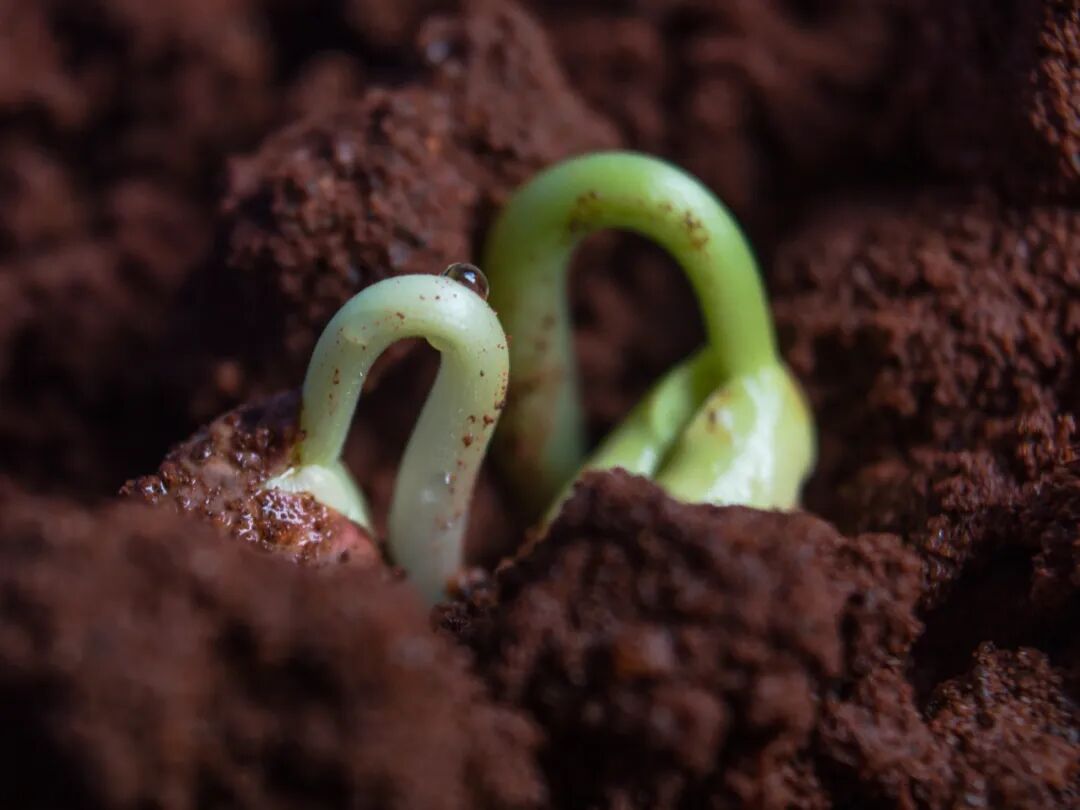
Knowledge is an organic living entity. Like our bodies, knowledge is an interconnected whole.
For example, knowledge needs a solid core to which it can effectively attach. The growth of knowledge must be organic, and our learning process should allow our knowledge to grow organically.
How Can We Foster the Organic Growth of Knowledge?
Having Deep, Vital Experiences as the core
First, we need profound and significant experiences. These serve as a strong core, enabling other knowledge to attach and integrate naturally.
In practical terms, this means that we should build our knowledge upon the most important experiences in our lives. Many students today, due to their school-based learning, struggle to identify what truly matters to them and what they actually need to learn. School education has introduced excessive confusion about learning, leaving them feeling lost.
If you care about something, you can learn about it. Learning is really that simple. However, modern education has misled people, making them uncertain about what they need to learn. While Self-Directed Education communities provide students with the freedom to learn, students coming from conventional schools often struggle to identify their learning projects. Rather than feeling a sudden surge of autonomy, many students initially fall back on external expectations, struggling to reclaim their own sense of curiosity. This is partly due to the lack of introspection, a crucial learning ability that schools fail to cultivate.
In self-directed learning environments like Sudbury schools, students who transition from conventional schools often spend an initial period in a state of “doing nothing” or “not learning.” However, over time, they gradually reconnect with their inner selves and begin to follow their own interests in life and learning. This suggests that introspection is an innate ability in everyone, but conventional education systems and flawed learning concepts have disrupted it.
Profound and meaningful life experiences should form the core framework of our knowledge. We do not learn for the sake of learning; we learn for life, for better living. Our learning should focus on fundamental life experiences—our confusions, sources of distress, and fundamental joys. By centering our knowledge growth on essential life experiences, we engage in learning that truly matters.
Self-directed learning shifts the focus to the questions that actually matter to you. In doing so, it transforms education from a list of requirements into a source of personal confidence. You can, through life experiences, existing social resources, and well-planned societal activities, explore answers to your deepest questions over time. These are not distant, unattainable pieces of knowledge; they are insights that every person can pursue and grasp.
These fundamental concerns should form the core framework of your knowledge. From these concerns, diverse interests naturally emerge. Through learning across broad fields, both outwardly and inwardly, individuals can develop essential understandings—such as the nature of beauty and the essence of life.
Another aspect of deep experiences is that when we become interested in a field and wish to acquire knowledge, we should first seek profound, immersive experiences in that field. This often requires hands-on practice. For instance:
- To learn programming, start by coding rather than just reading books.
- To learn how to swim, you have to get in the water—start by simply playing in a safe environment.
- To learn football, start by kicking the ball for fun.
- If interested in history or geography, travel to historical sites and immerse yourself in those environments.
While books are valuable learning tools, physically experiencing a place offers insights that cannot be gained from reading alone. When visiting historical sites, you may notice details that books fail to capture.
These deep experiences usually involve placing oneself in real, multi-dimensional environments and engaging physically. Knowledge has multiple dimensions, and as we will discuss later, learning requires understanding from various perspectives. However, if we first establish strong, meaningful experiences, knowledge gains a firm foundation for organic growth. Otherwise, knowledge remains disconnected and is easily forgotten over time.
A person’s learning needs always stem from their own life or the people around them. When we interact with those around us, we develop a desire to understand their needs. However, people are influenced by culture, which in turn is shaped by history and geography. Reading allows us to learn about history and geography, offering an important experience in understanding others. However, such experiences alone are not enough to form a solid foundation of knowledge. Only through personal travel or hands-on practice—where you directly experience the influence of history or geographical space—can these deeply felt experiences become a strong core for the growth of knowledge.
Search more, ask more, think more, and grow based on core experiences
Once we have core, profound experiences, we naturally develop interests in learning. To nurture these interests, we should actively:
- Research relevant information
- Ask questions
- Reflect on what we learn
By consistently inquiring and thinking critically, we allow knowledge to grow organically, forming an interconnected whole.
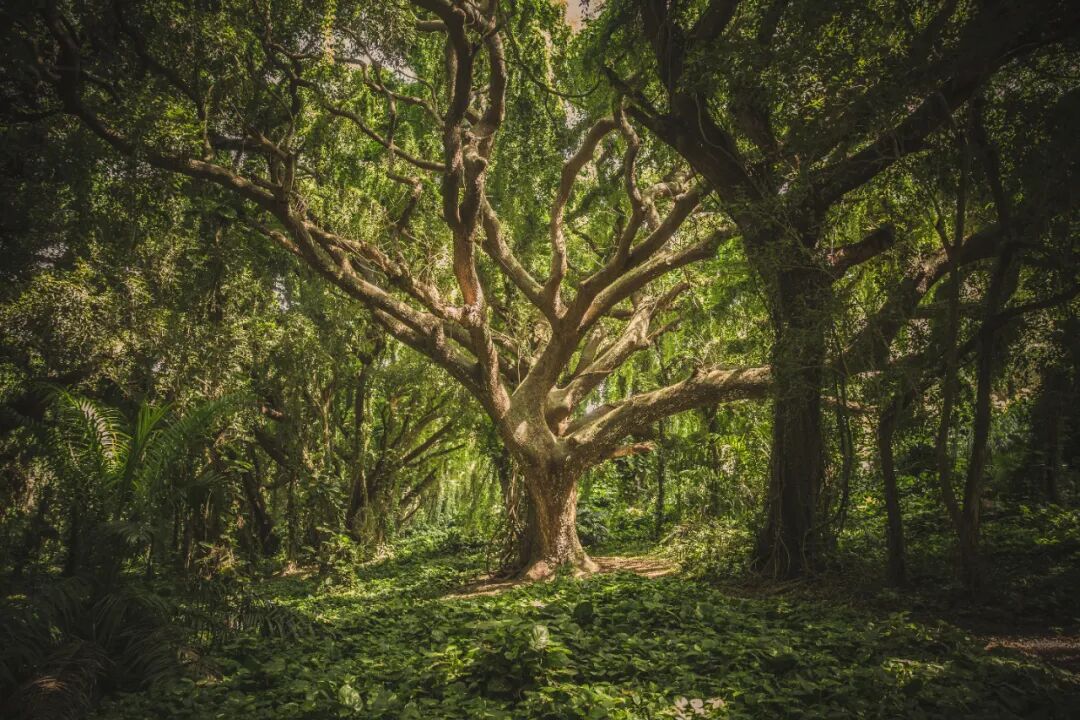
This process takes time. Through diverse life interactions and experiences, we continuously generate new interests related to our core experiences. Once an interest or question arises, we should promptly research, reflect, and expand our knowledge using available resources. This is a natural and organic process of knowledge growth.
Understanding Knowledge from Multiple Perspectives
To truly master a subject, one must examine it from multiple perspectives. Every field of knowledge comprises various layers of understanding. Only by asking numerous questions and exploring different angles can we attain a comprehensive grasp of a subject and shape it into an interconnected whole. Each new angle connects us with some significant experiences, thus deepening our understanding.
Breaking Free from Linear Learning Models
If we follow our inner guidance to grow knowledge, we should abandon the linear approach to learning. For example, when reading books, a good approach is not to read them one by one in a linear fashion, as done in conventional schooling. Instead:
- First, skim through all the books, reviewing their tables of contents and summaries.
- Identify the topics that interest you and read selectively.
- Skip books that seem unnecessary.
- Revisit good books over time, as they may offer new insights after gaining more knowledge.
Similarly, if you find an inspiring master or expert, you can treat them as a learning resource. Read all their works, as great thinkers often integrate knowledge holistically. Their writings are not limited to one specialized field but reflect attempts to answer profound life questions. By studying a master’s works in full, you gain insights into their interconnected knowledge system.
As knowledge grows, new questions and interests arise. In this process, past learning resources may take on new meanings. For instance, an old book might offer new insights when revisited in light of new knowledge.
This exploration of knowledge is deeply personal, requiring a strong connection to one’s inner self. Since this process takes time, effective tools for recording key experiences and reflections can significantly enhance our ability to structure and expand our knowledge. Learning, in essence, is about creating our own knowledge.
Knowledge Requires Practice and Application
Just as our bodies need exercise for healthy growth, knowledge also requires application and practice to develop into a robust, organic entity.
Bones grow and reshape in response to external pressure and force. Similarly, knowledge strengthens and adapts when actively applied.
Our bones have osteoblasts and osteoclasts, which continuously generate new bone cells or remove old ones based on the pressure or tension they experience. Through studies in mechanics, scientists have found that the shape of the human femur, the largest bone in the body, is perfectly designed to achieve the strongest mechanical effect. Therefore, the various external forces acting on bones are essential for their healthy growth. Muscles work the same way; only through exercise can they grow well.
Those whose knowledge is tied to their profession have abundant opportunities to practice it. Over years of professional engagement, they encounter numerous phenomena and problems, refining their understanding and structuring knowledge optimally.
When learning for pleasure rather than a profession, you often have to be more intentional about creating your own opportunities to practice. However, today’s digital era provides ways to engage with professionals and like-minded learners worldwide.
Moreover, knowledge application physically strengthens our neural networks, shaping our brains for better cognitive function. So it is literally a type of body exercise
Conclusion
Knowledge is a self-created, organic whole. Even when learning existing human knowledge, each person is creating their own understanding. This perspective fundamentally differs from the modern education system’s fragmented approach. Knowledge is not about memorizing isolated facts—it is about growing an interconnected organic system.