Introduction
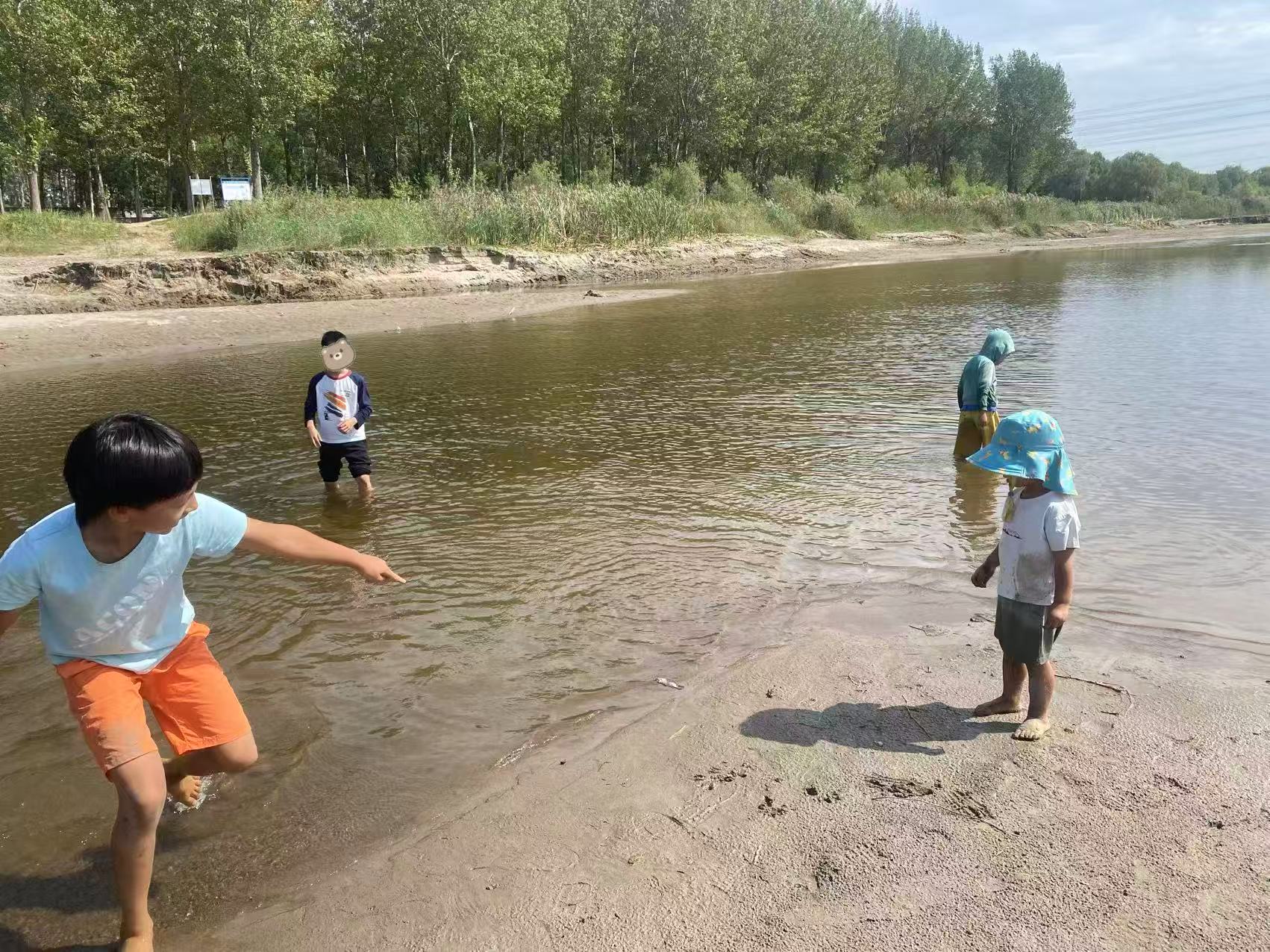
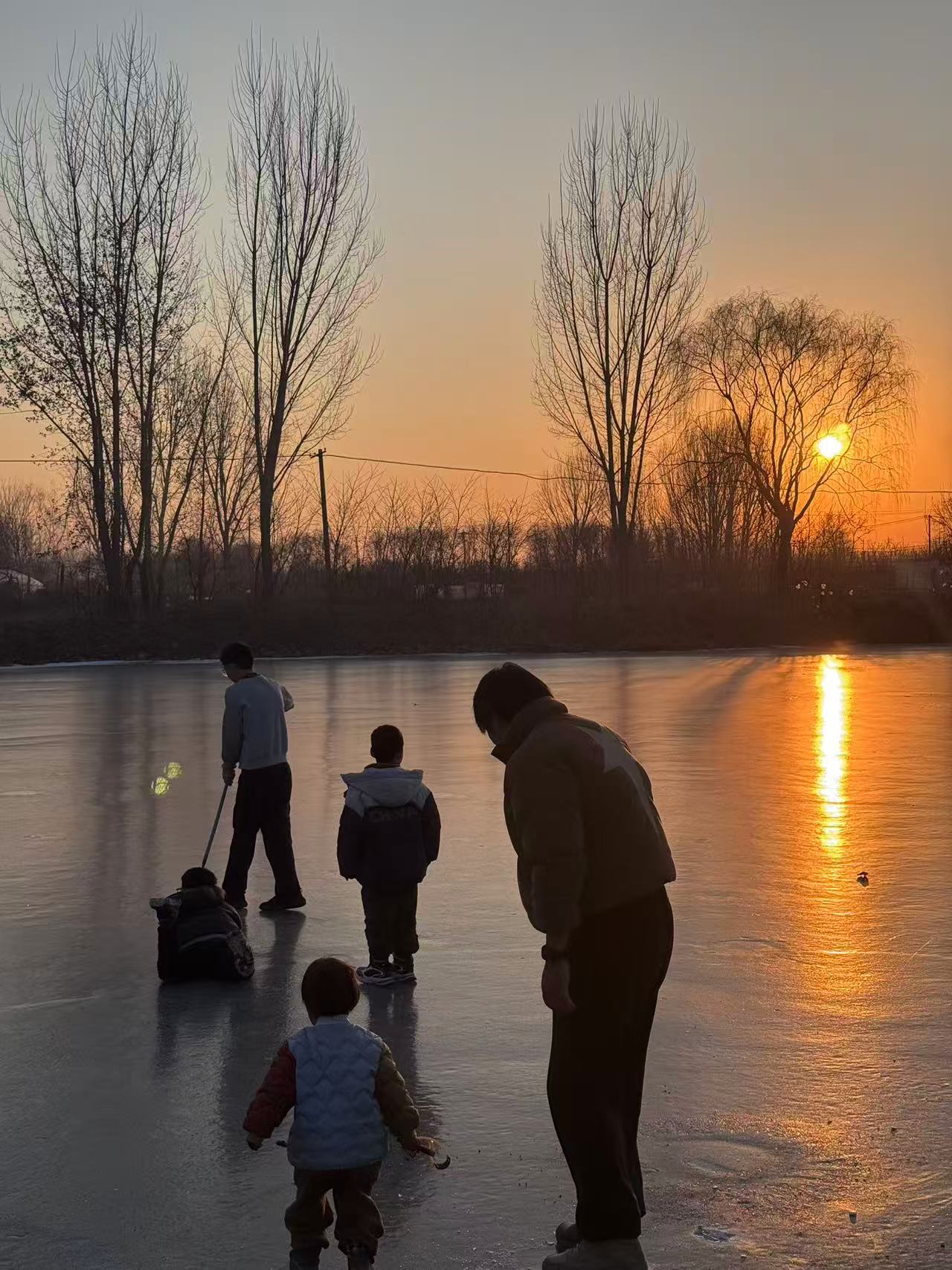
As we reach the one-year anniversary of the founding of PlayGround Education, it is the perfect time to reflect on our progress and share our vision. Traditionally, the landscape of Self-Directed and innovative education in China has been characterized by the exclusion of parents—a significant departure from Western democratic models where parents are seen as vital stakeholders. PlayGround takes a different approach. We view parents as essential partners, fully integrating them into the reform process to learn and practice alongside us. Crucially, our model is designed to ensure that a child’s right to self-directed learning is protected from interference by both educators and parents alike.The Practical Dilemmas of Domestic Education
The Chinese educational landscape is defined by an unparalleled level of academic pressure, largely driven by a rigorous exam-oriented system. This environment has contributed to a surge in “school-aversion” among students, with youth depression rates reaching alarming, unprecedented levels. However, the domestic landscape for Self-Directed and innovative education is currently hindered by a high barrier to entry. Prohibitive costs have effectively restricted access to a small demographic: either high-income families or those whose children face severe psychological challenges and require urgent intervention. Even more significant is the systemic exclusion of parents from the management and operations of most Self-Directed Education (SDE) institutions. While a few high-quality SDE communities do offer parent-focused programs, their fees are often equally prohibitive. Compounding the issue of cost is a systemic lack of transparency that allows commercial interests to overshadow educational integrity. When institutional practice drifts away from its founding vision, the disconnect becomes irreparable. Even the most dedicated parents and educators, initially drawn by the promise of change, are often left to navigate the wreckage of their own shattered expectations.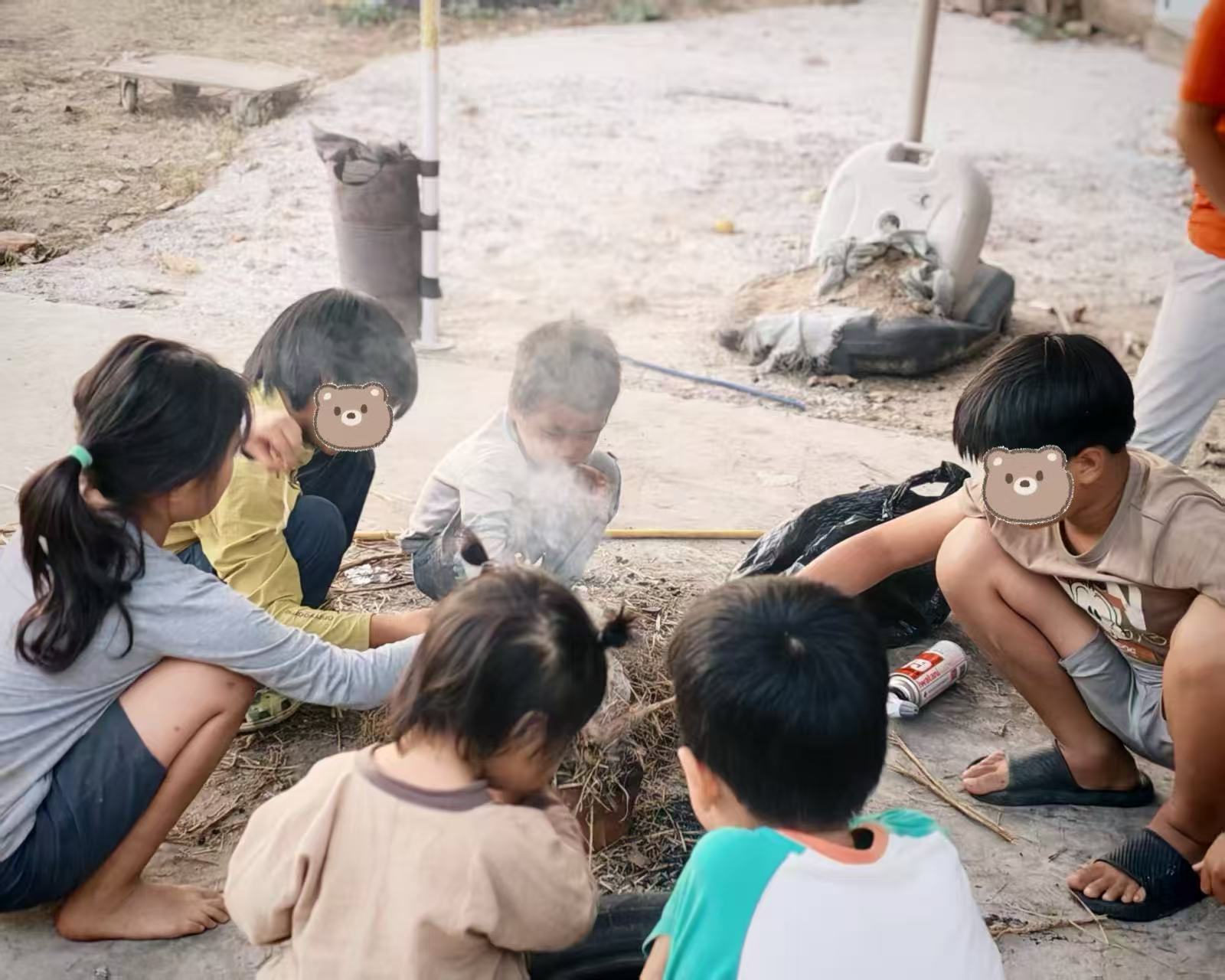
The Unique Advantages of Chinese Innovative Education
Despite the numerous challenges, China possesses a unique advantage in the field of innovative education: a population density that far exceeds the West. In major urban centers, this has created a highly concentrated demographic of high-caliber professionals—a concentrated force capable of driving real change.In cities across the nation, a unique phenomenon is taking shape. We see a rising number of students needing a different way to learn, met by a generation of parents who are not just observers, but experts in their own right. These parents are leveraging their professional backgrounds to pioneer new educational frontiers. For many at PlayGround Education, their journey began with this same spirit of independent inquiry—turning their personal search for a better education into a collaborative movement. Disseminating Self-Directed Education shouldn’t happen in a vacuum. It requires deep engagement and shared growth with families. Translating complex educational theories into clear, actionable insights for parents is more than just a goal—it is the only viable path forward for the SDE movement. Long-time followers of this account know that “Open Source Learning” has always championed professional engagement in education. Our core premise is that the educators of the future should be experts from diverse industries who contribute their real-world experience without leaving their careers. By dedicating their spare time to educational practice, they become the mentors best suited to modern student needs. Today, the intense pressure of the exam-oriented system, combined with a growing public consciousness and the high density of urban talent, has created the perfect conditions to turn this vision into reality.
PlayGround Education: Pioneering the Co-constructed Learning Ecosystem
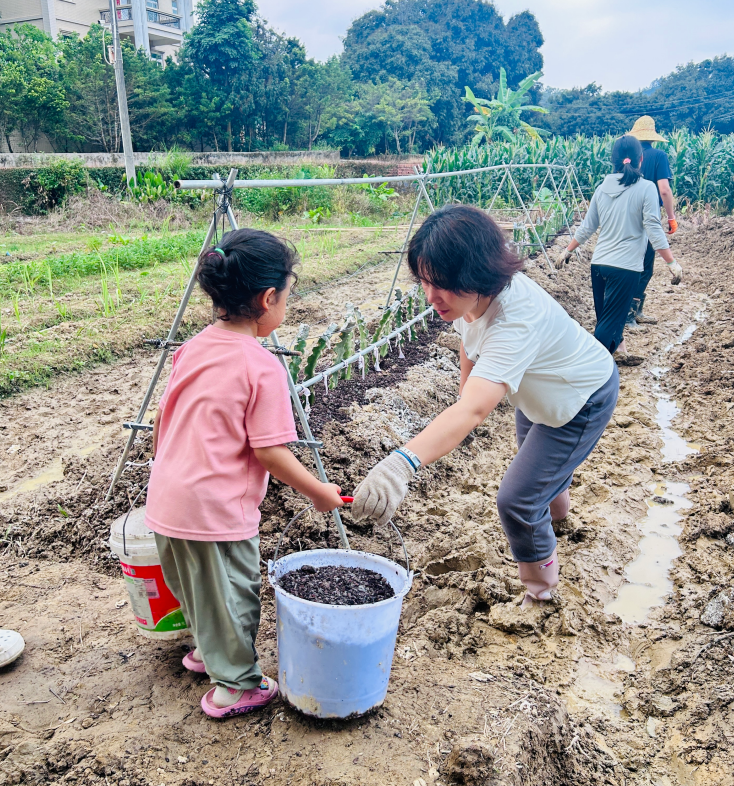
In light of the unique dilemmas and advantages within the Chinese educational landscape, we believe that domestic Self-Directed Education must strategically play to its strengths. Rather than isolating parents behind institutional walls, the movement should empower them to grow alongside their children. By integrating parents into the governance of these organizations, we can leverage their oversight to safeguard a non-profit mission, ensuring that the institution remains truly responsive to the needs of the child. This principle forms the foundation of PlayGround Education’s core model: Parent Co-construction. We invite parents who align with our philosophy to engage with the community in a way that fits their lives. Participation is designed to be flexible—ranging from full-time, campus-based involvement to contributing during weekends or leisure hours.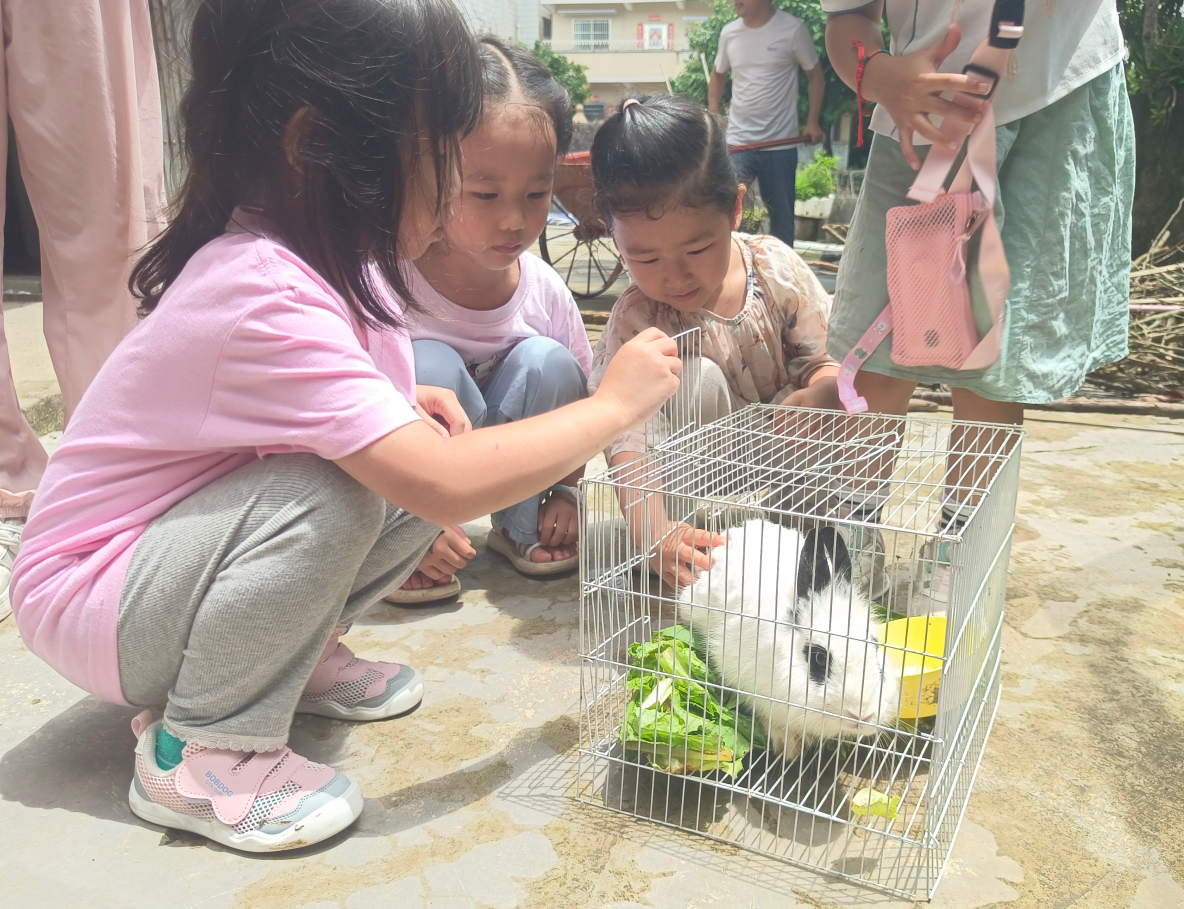
- Strategy over Struggle: Why Choice Outweighs Effort and Credentials
- Knowledge is Power, but Source Knowledge is More Powerful—Revisiting “Systematized” Knowledge
- Why Do Children Today Grow Up Slowly and Mature Late? Children Who Are Managed Too Much Are Generally Late Bloomers
- AI Makes Active Learners “Super Learners,” while Passive Learners Are at a Loss—The Shock Brought by ChatGPT o3
- Do Not Use Grades to Help Children Build Confidence; Only Blind Confidence is True Confidence
- How I Went from a Sports Underachiever to a Fitness Expert: How to Clear Out “Physical Education Class Thinking”
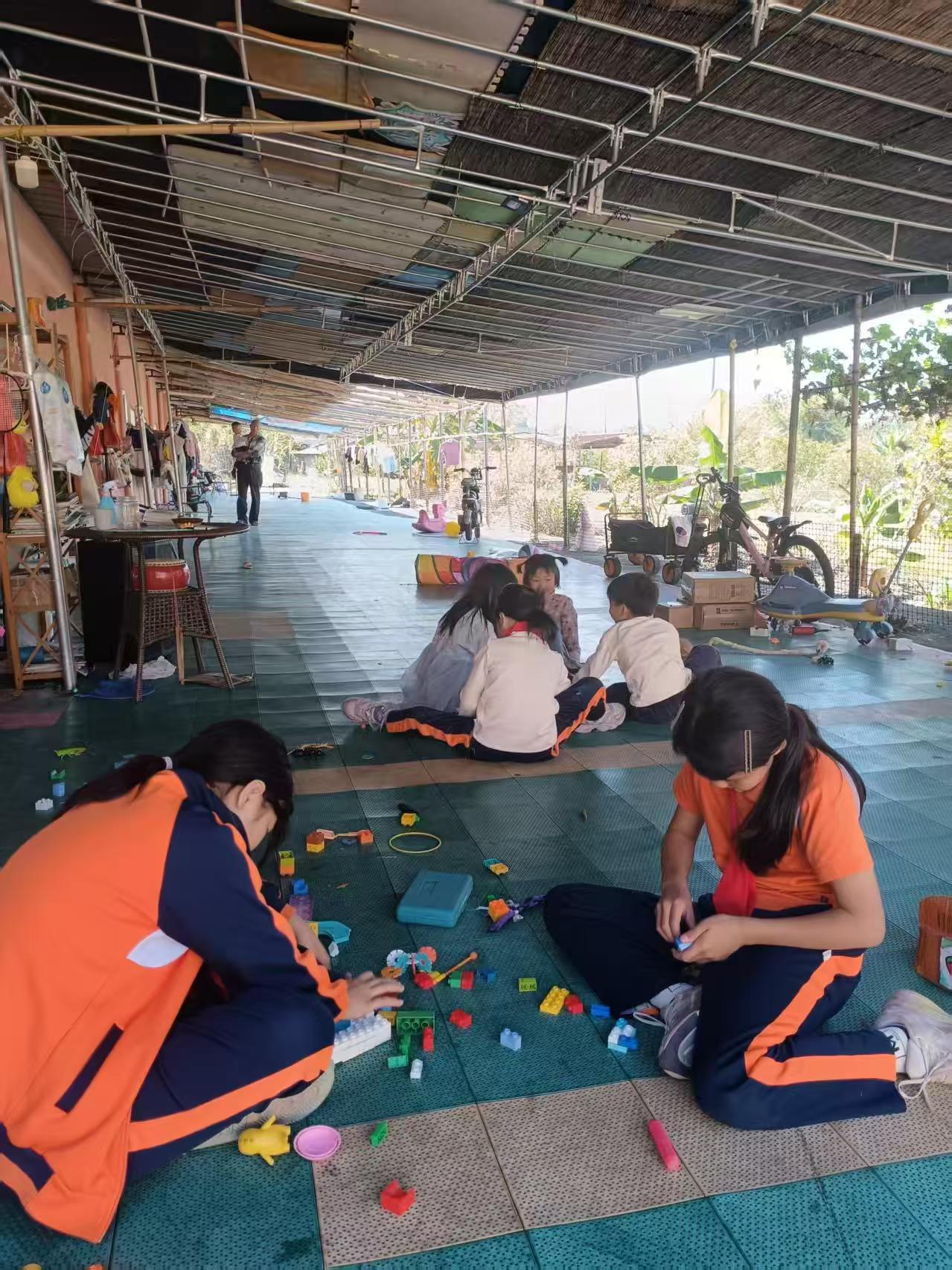
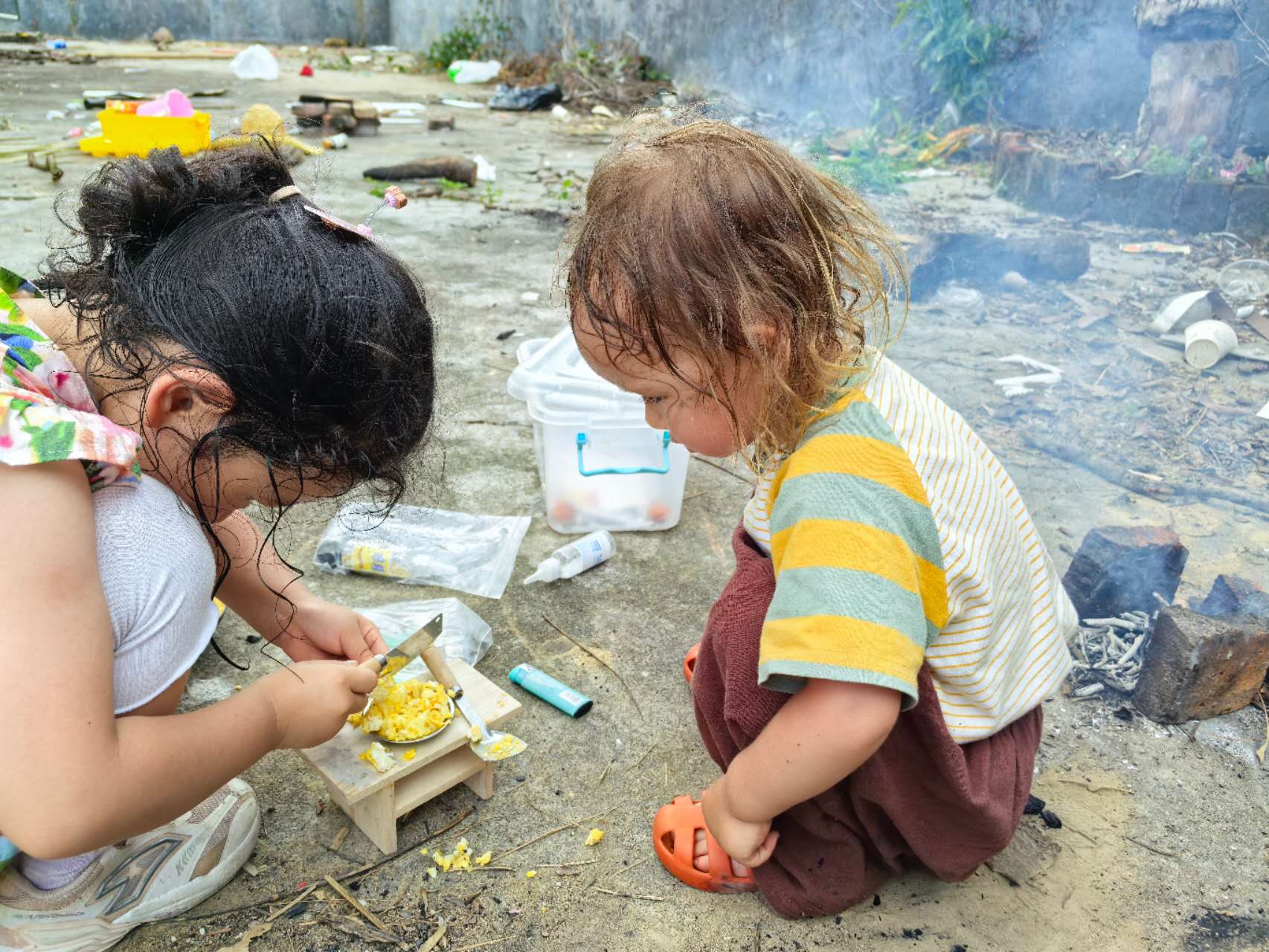
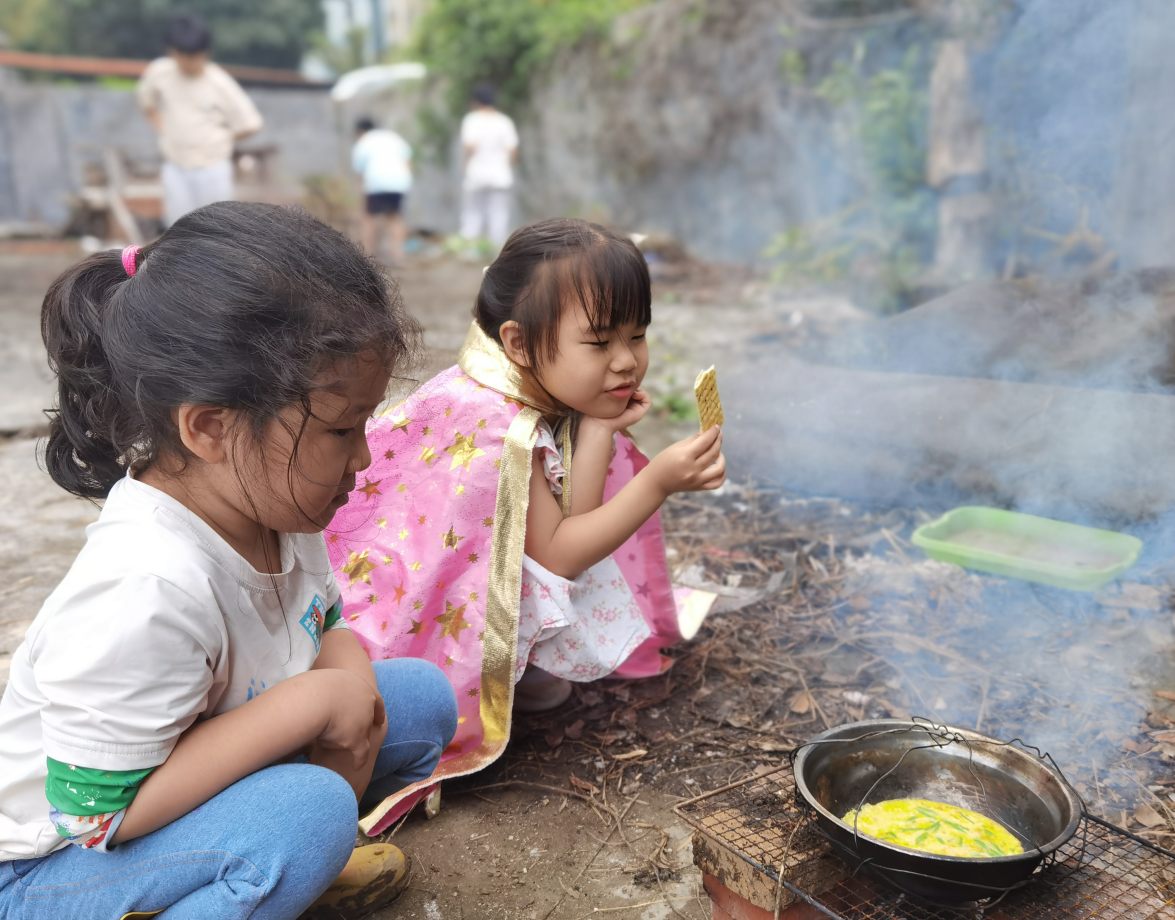
The PlayGround Education Solution: An
Self-Directed Education Path Adapted to the Chinese Scene
We believe the PlayGround Education Parent Co-construction model offers a premier Self-Directed Education solution, specifically tailored to the unique dynamics of the Chinese landscape. Its core advantages are defined by three key dimensions:
First, the model features a low barrier to entry. Financial operations are fully transparent, with a publicized cost structure and affordable fees designed to welcome any family that aligns with our mission. This alignment is rooted in a comprehensive cognitive system that bridges theory and practice—a reflection of our core belief that “Knowledge is an Organic Living Being.” Consequently, the only true “threshold” for participation is a deep resonance with the PlayGround philosophy. This is not a static requirement but a dynamic learning process; as parents participate and grow, their collective insights contribute to the benign, ongoing evolution of the PlayGround knowledge system itself.
Second, the model integrates parents into a system of diverse oversight and protection. Due to its co-constructive nature, financial transparency is a structural necessity. Parents and youth participate as equals in the community’s operation and management, creating a self-regulating mechanism of checks and balances. This prevents any single party from exerting undue influence, effectively safeguarding the rights of minors to pursue self-directed learning without improper interference from adults.
Third, the model establishes a robust platform for practical learning. For China’s highly skilled and passionate professional demographic, PlayGround offers a clear trajectory—a “learning path” that moves from theoretical inquiry to real-world implementation. As participants deepen their involvement, the platform evolves from a space for observation into a venue for co-creation. Here, learning, play, and creation are seamlessly integrated, allowing parents to contribute their professional expertise to a dynamic, open-source educational ecosystem.
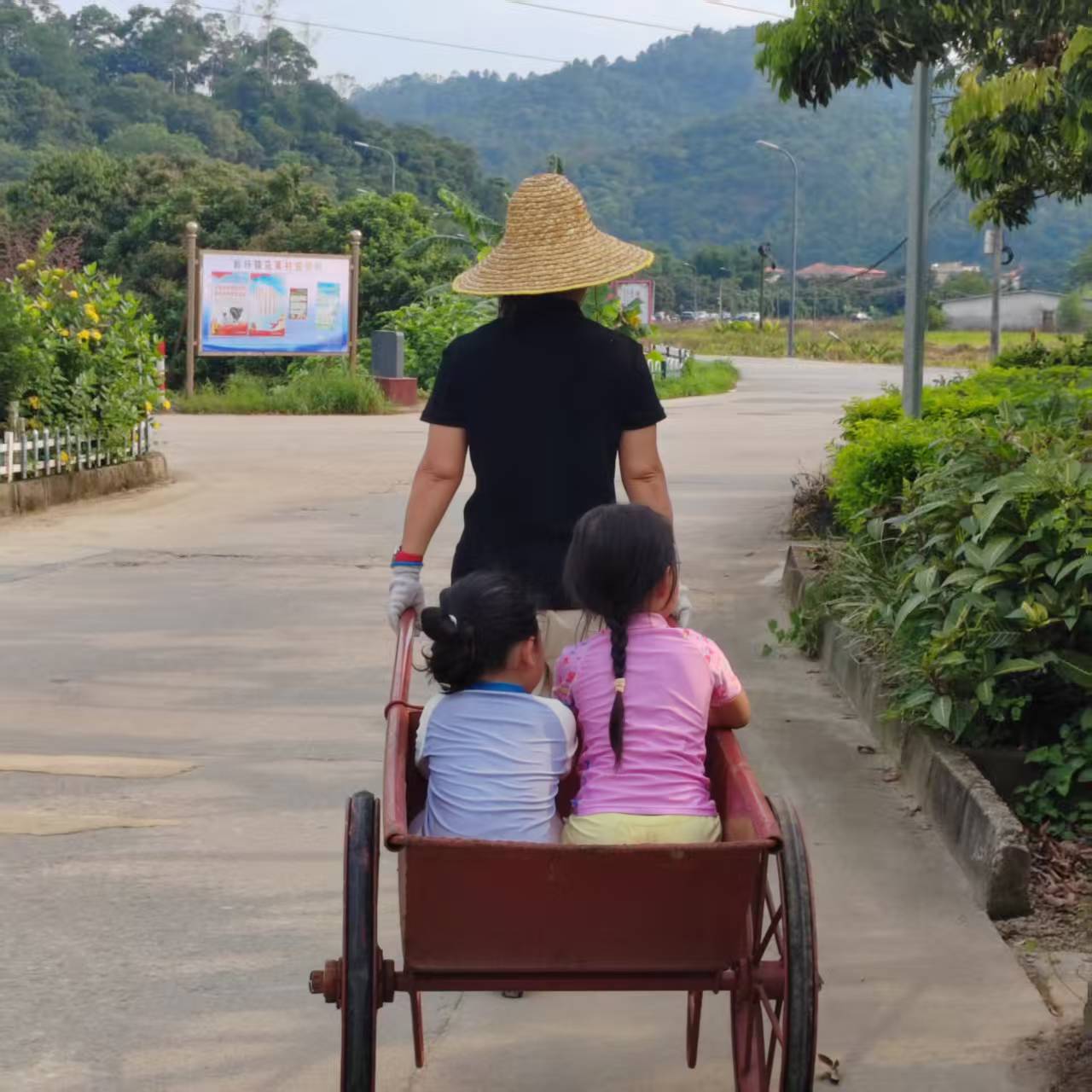
From Practice to Philosophy: An Iterative Process of Dynamic Modeling
At the heart of the Sudbury philosophy lies the conviction that “participating in the construction of the community is the ultimate form of learning.” PlayGround Education brings this claim to life by ensuring that both parents and children participate as equal agents in the building and evolution of our ecosystem. The philosophy of PlayGround Education is deeply rooted in the core tenets of the Sudbury model. Our shared knowledge base—a consensus system regarding our educational approach—is detailed in the following articles:- Education is Building a Better PlayGround!
- Sudbury is an Education Based on PlayGround
- Play, Learn, Create
- Knowledge is an Organic Living Being
- Flipped Education: General Introduction
- We Progress, But We Are More Self-Directed (Theory Edition)
- How Do Children Play in the PlayGround? Playing is the Most Serious Learning
- Why Do Children Today Grow Up Slowly and Mature Late? Children Who Are Managed Too Much Are Generally Late Bloomers
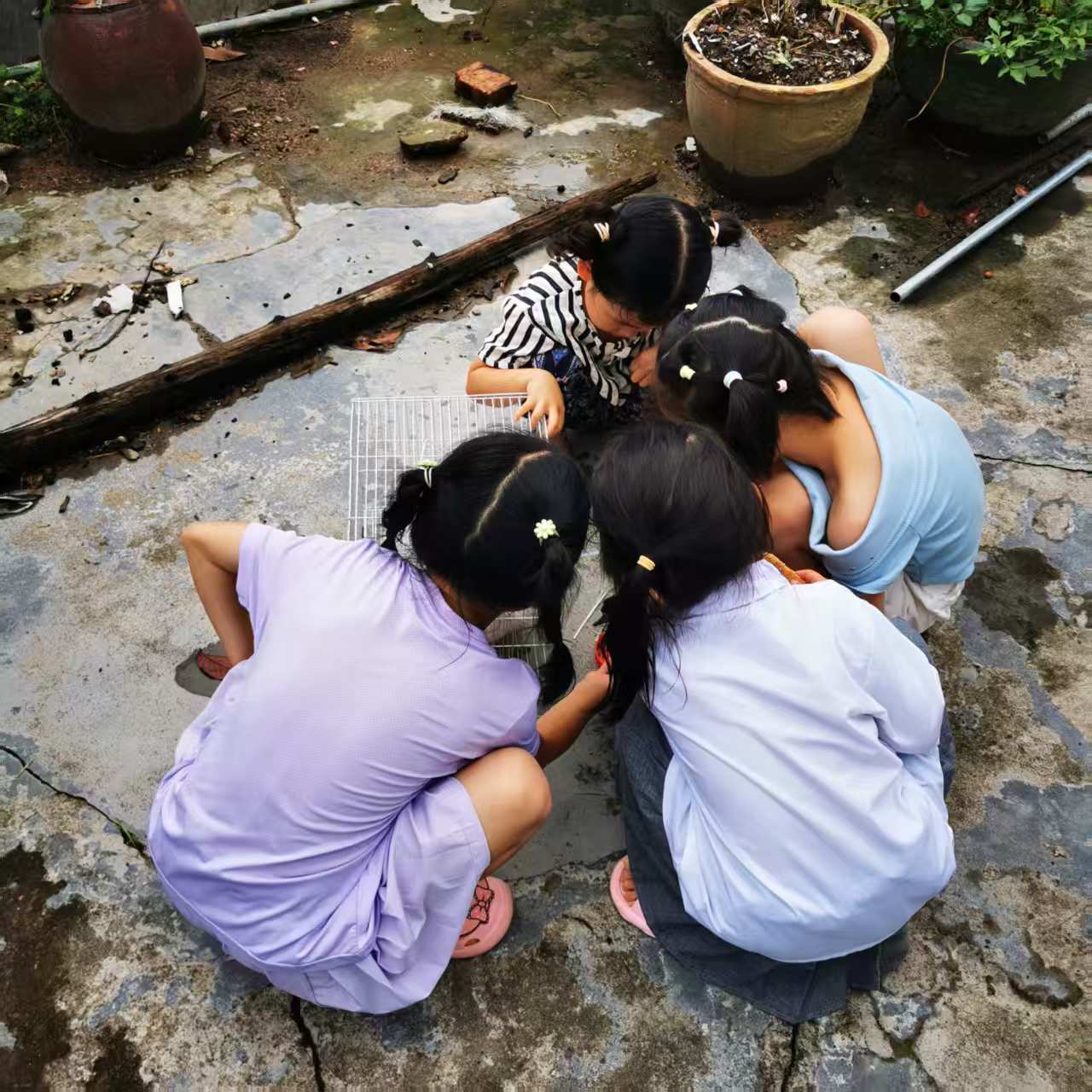
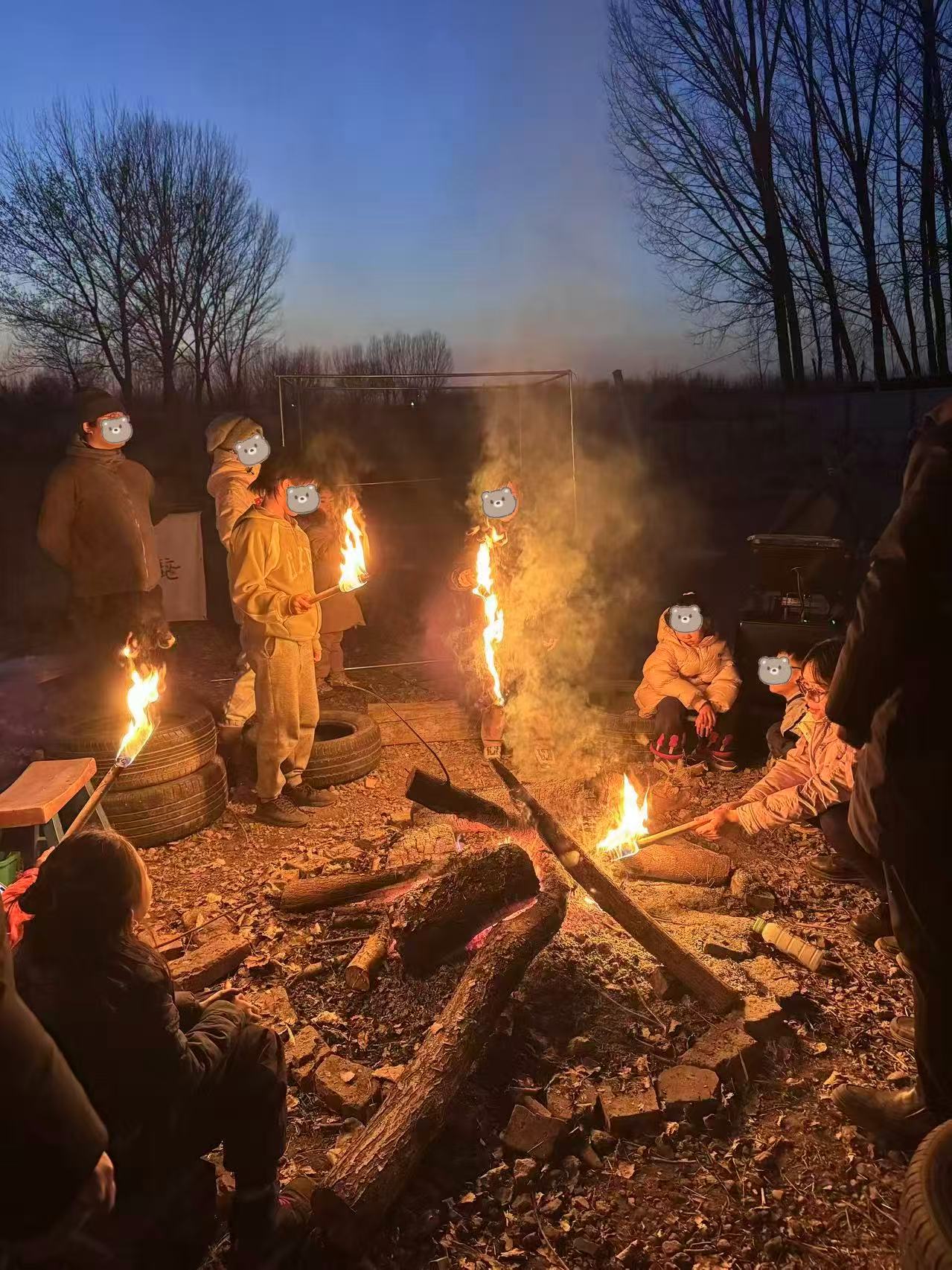
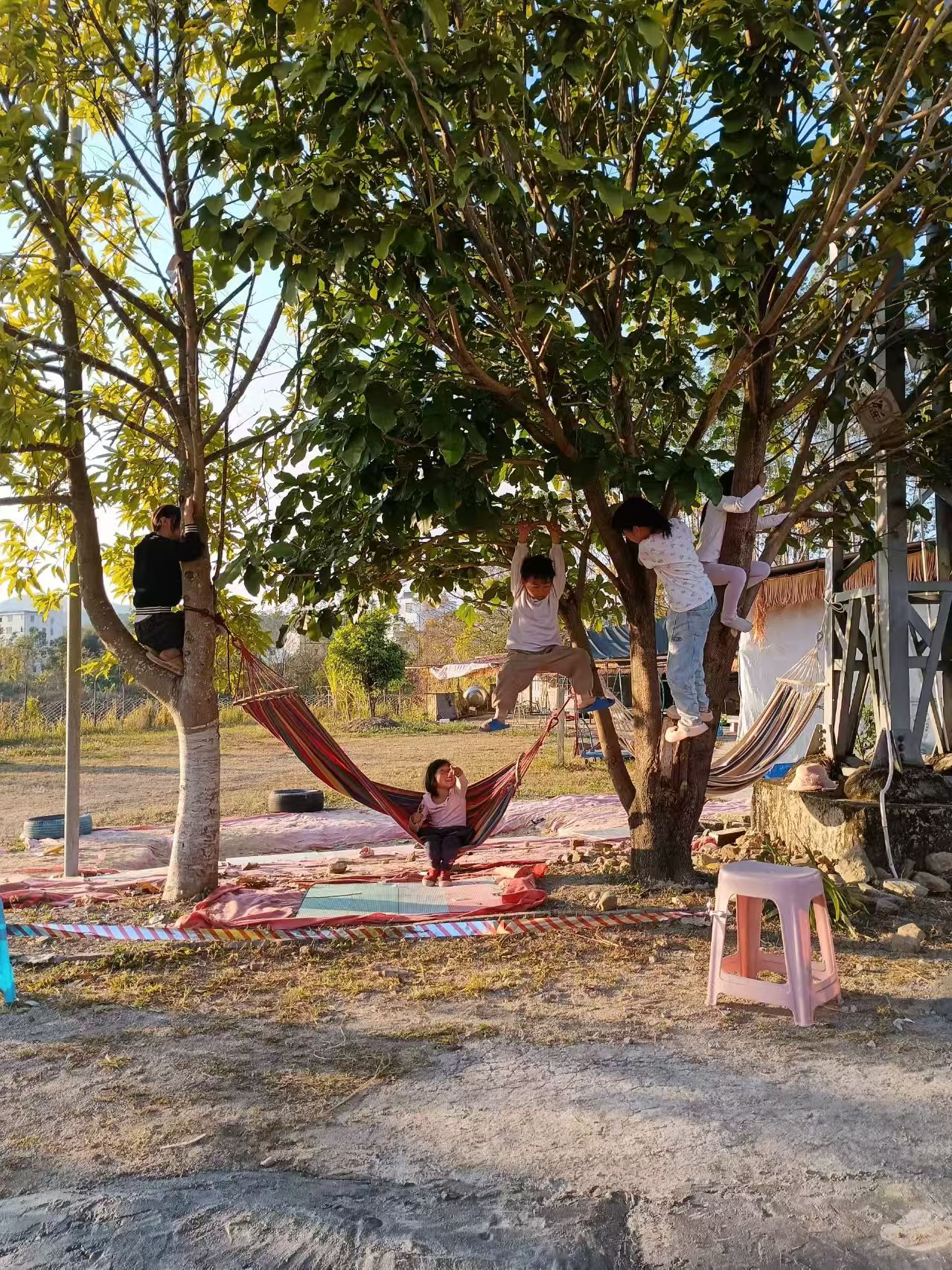
A Sincere Invitation: Co-constructing the Future Educational Ecosystem
I have always maintained that Self-Directed Education is essentially the application of high-level organizational and management principles to the field of learning. I believe that the active involvement of a vast number of highly skilled professionals will become the new standard for the future of human education. The heart of PlayGround Education lies in responsive planning—the ability of educators to dynamically design the “playground” based on what learners actually need. The parent co-construction model pioneered by Wu Jia and Yan Zi is a perfect example of this: it is a strategic response to the educational demands of modern Chinese families. Put simply, these two seasoned entrepreneurs are empowering the field of innovative education by applying their design capabilities and professional experience. Furthermore, their personal commitment to supporting their own children’s self-education serves as a powerful inspiration for parents nationwide. We invite more families and professionals to join the PlayGround Education movement, particularly those who can offer venue support across our growing network. In major metropolises like Beijing and Shenzhen, a single location is merely a starting point; the ultimate goal is for every district to host its own PlayGround. We envision a future where every family has access to a dedicated space for free play within their own local community. At this stage, the practice of PlayGround Education in China remains a journey of continuous exploration. We sincerely invite parents and professionals to join us in this mission—to explore together, to grow together, and to co-create spaces where children can thrive through free play and equal participation. I have always firmly believed that education is the most profound path for exploring the self and the nature of existence—often surpassing traditional spiritual practices in its depth. Therefore, I invite parents and professionals to join us, not just to build a school, but to achieve personal growth and uncover the truths of life through the active exploration of education.