Life, Knowledge, and Psychology, our understanding of Self-Directed Education

中文版

Keywords:

Self-Directed Education, Innovative Education, Sudbury Model, Playground, Mentoring, Exploratory Learning, Self-Directed Learning Community, Psychological Counseling, Equal Conversation, Family Education, Modern Education System, New Education Paradigm

Abstract

SDE or innovative education has sprung up at home and abroad, and has reached a certain scale and become a trend. This paper attempts to make a systematic understanding of the patterns of these different educational practices from a deeper level, and to gain a deeper understanding of the three obvious modules of these education communities: life, knowledge and psychology, as compared with the old education system, in order to form an understanding of the new educational paradigm.


Notice: please read slowly, as I intentionally write in a way for slow reading and contemplating.

SDE or innovative education, from the surface, we can say they all have life, knowledge and psychology three big modules. Let’s talk about these three modules and then we will look deeper into then to see what they have in common.

Innovative education often advocates life is learning, advocating learning should come from life, so in all kinds of innovative education, the scope of learning will often be close to students’ lives. Such as movie appreciation, cooking, novels, board games and so on.

Some of these innovative education will pay more attention to knowledge learning. Some will even offer traditional subjects like that in modern education, such as English language or mathematics, still having the concept of a standard curriculum system of modern education. Some will let students and teachers to all participate in the curriculum design, such as at the beginning of a semester and allow students to choose their favorite courses. In this way, the concept of the standard curriculum system has been weaken, but there is still the concept of the curriculum system.

The Sudbury model, we should mention, has never offered a course for all students across the whole semester. In the early days, several individual students initiated requests that the staff of SVS (there is no teacher in Sudbury, adults are all staff) give some lessons on certain topic, mostly for a short period of time. Or students who are about to graduate and decide to take the college entrance exam will apply for specialized tutoring by SVS staff. In recent years, because of the rise of the Internet, these short lessons have almost disappeared in SVS. I feel SVS’ value has always been more opposed to the concept of curriculum.

But there were schools that used to be the Sudbury model, made a change due to requests from students, mainly because students saw so many classes in traditional schools, they felt pressured to have their own curriculum every semester. So they started as described above at the beginning of each semester students and teachers together will develop this semester’s courses and students can choose what courses to take to get credits. But the school has also reserved another track for students who prefer the Sudbury model, the Sudbury track, which means that no class-taking is needed.

Many of Silicon Valley’s big tech companies are also making educational innovations. Google, Facebook and others have set up their own schools. Perhaps because it is this type of technology company that started the school, and which are aimed at their employees’ children, so knowledge learning is very strong at these schools. A lot of emphasis is put on the learning of various systems, such as road system and electricity system. Another focus is project-based learning.

There are some such schools in China that can be considered to be oriented towards the elite, although they are also doing educational innovation and consider life learning skills very important.

Therefore, in innovative education communities, there is a split between life learning and knowledge learning. For a significant number of people, at least, the two are not the same.

Here’s we share a view from Sudbury founder, Dan, a former physics teacher at Columbia University. He believes that for most people, learning so much about math is unnecessary. If you’re not doing engineering or science work, for most people, it’s enough to learn arithmetic and statistics.

When looking at the memories or interviews of the graduates of SVS, I was most impressed that these Sudbury graduates have a strong ability to explore life and can do the deepest level of thinking, although they did not take any courses in Sudbury. Perhaps it is precisely because there is no curriculum in Sudbury, which gives them the ability to think and explore freely.

There are no courses in Sudbury, but there are books everywhere. SVS consciously set up entire wall shelves in all rooms, filled with books. There is also a special conversation room for people to converse on various topics. I understand these are to build up the concept in people’s minds that “knowledge is everywhere and everyone should create their own knowledge”. Dan, the founder of SVS, said that knowledge are models in the human brain, and that everyone is creating their own knowledge.

Now in most schools, there are psychological counseling teachers in solving some of the students’ psychological problems. In the innovative education communities, it seems that they pay more attention to psychological health of the students. For example, the Agora Learning Community has Growth Mentors who have a constant focus on the mental growth of students. I don’t know much about the detailed work responsibilities of Agora’s growth mentor, but I feel they’re doing it quite systematically.

I think we all notice that in all the SDE communities, there are a lot of games, all kinds of games, such as board games, video games, playing cards and chess, all kinds of sports, dancing, musical instruments, watching movies, writing novels, traveling and so on. I believe that we all have played these as we grow up, and have experiences of playing them, some might be good experiences, some might be bad experiences. By comparison with others during these games, everyone can find a lot about themselves through these games. This is actually a very good place for education, and it is an educational place that every family can have. A good coach knows how to provide different guidance to students with different personalities. The core of the guidance, I think, is to give students the confidence to explore for themselves.

Each child is different, and each person has a different starting point. Some people are very confident from the beginning, while others may care more about the feelings of others. Life is rich and people are diverse. Good mentors/coaches should be able to notice these rich diversity at different levels. Some people may not be very good at sensing and exploring in a certain environment. Good coaches should be able to keep an eye on this and give these kids room to feel and explore better. Of course, in a generally speaking equal and tolerating environment, all children can feel and explore well. Bad environments, such as parents or coaches who like to scold, make it harder for these children to feel and explore on their own. Creating an environment where different children can play together and be able to feel and explore on their own makes a good educational environment.

I understand the role of a psychologist, a large part of which is to create a safe environment of mutual trust. With such an environment, daily play can become a good place for learning.

Therefore, we can say that psychology, in addition to life and knowledge, should be one aspect that a learning community must pay attention to.

Omnipresent and equal conversation is also an aspect of shaping such an environment. Mimsy, the founder of SVS, has talked eloquently about the omnipresent and equal conversation in SVS, arguing that it is the central thing in the SVS model that replaces the curricula of other schools. In fact, as long as there are common things people are interested in, or specific things to do together, equal conversations can become the best place for education. Like conversations we observe between children, they are conversing of their own significant experiences or making short summaries, instead of lecturing lengthily like teachers do in schools. I believe that many parents also find it helpful to do things together with their children that are of mutual interest and to converse their experiences equally while engaging in these activities, just like friends together.

Therefore, education can be omnipresent. First of all, you have to have play, preferably a lot of people play together. Learning will certainly happen in playing. The key to make a good learning environment lies in the respect for equality and diversity. Play/learning/creation is the three in one life activity, in which we get the fundamental life experience. Equality manifests itself as diversity in life. We experience equality through our respect for diversity. A good educational environment should be one in which there is a wealth of play/learning/creation activities, where there is playground, plus respect for equality and diversity, to let everyone feel and explore freely and in self-directed ways.

Family is a good place for education. Every family’s parents can be the best teacher. For the learning communities, they just have more people to play together. A large part of what many self-learning communities are doing now is making up for the damage that students have been subject to at home and in schools if they have been to traditional schools. These injuries are psychological, but can also be considered to be learning/educational, such as losing self-directed learning capacities.

So from the above we can see that in these SDE communities, there are obviously these three big modules: Life, Knowledge, Psychology. However, below I will argue that their distinction is superficial and artificial. They are actually deeply connected, if we realize that to learn is to explore, to feel, and to create your own knowledge.

In fact, from my experience, even in the learning of knowledge, the ability to explore is the most important. There are many things to learn in life, and we must grow our knowledge organically. So the ability to feel and explore is very important.

The lecturing way of teaching in modern education, it is its nature to drive students to the direction of knowledge memorization. This was well understood at the beginning of the modern education system, which was designed to make the mass quickly memorize terms and subject matters in order to become industrial workers to work around machines. Nor do we deny that the ability to remember quickly is useful. But we must remind ourselves that modern education is so misery if it only trains people to remember things, since it has taken up so much time of people’s life. There are too many skills to learn. Perhaps the most important skill is the ability to explore in complex life systems. And to truly master a large amount of knowledge, you cannot rely on memorization, instead you have to rely on self-directed feel and exploration to form organic knowledge with their own understanding.

As I mentioned in the educational model of Paracraft Learning Center, learning based on significant experiences and abstract modeling is the most efficient learning.

Now the innovative education has just come out of the traditional modern education system, many models are still influenced by the modern education system, it is difficult to get rid of the old model all together at once. But with the deepening of our practice, we should gradually form a new understanding of education, and really get rid of the old educational paradigm.

Now many educational innovations, have realized that learning shall tend to the needs of students, to be centered around students, and do the curriculum design accordingly. However, it has not departed completely from the traditional education’s lecturing and knowledge memorization model. The curriculum model is still easy to drive students automatically towards knowledge memorization, and it does not realize the self-directed feeling and exploration are the core of learning and education, and does not realize that self-directed feeling and exploration are what run through life, knowledge and psychology all together and make the three an integrated whole. Traditional lecturing and knowledge memorization model automatically drive students away from their natural self-exploration process. So we see that SVS graduates who don’t take courses have a strong ability to explore life and are able to think from the bottom.

As the founders of SVS said, we must create our own knowledge! In modern educational theory, the concepts are knowledge transfer and knowledge retention, so various means, such as asking questions, doing projects, etc., are used as means to increase knowledge retention and to achieve better knowledge transfer effect. But in fact, knowledge is created by the individuals themselves. It is like one candle lighting up another candle. The ability of a candle to give light is the inner ability of a candle. Knowledge transfer and knowledge retention are pseudo-concepts. Realizing that we are all creating our own knowledge, we can then form a new and correct understanding of the various patterns of teaching and learning.

I have been following up and have also been personally involved in educational communities targeting young migrant workers in the city. It should be said that this group has the most real learning needs, there is no tests for them to take. In their educational practice, they should get rid of the shackles of the old educational paradigm and practice the best educational model. But for those schools serving these groups of students, because they have just come out of the old educational paradigm, it is still difficult to get rid of the influence of the old educational paradigm, so unconsciously they still have a lot of traces of the old education, without realizing that there can be a better way.

The teaching/mentoring design based on significant experiences that I talked about in my previous article is about how to adopt some kind of conversation/mentoring way of teaching based on significant experiences without changing the existing curriculum of these learning communities.

Of course, that’s not to say you can’t make lectures. The teacher’s lectures with his own rich experience is very wonderful. If the students just listen, they can also gain a lot. And for very young students, if you don’t say a thing, they don’t know a lot of things. But I think, as soon as we have successfully introduced the topics to the students and aroused their interests, teachers should immediately stop the lecturing, and instead introduce related playgrounds to students, encourage students to explore by themselves, and share their exploration processes and what they find. Teachers can provide guidance according to their rich experiences. Therefore, the lecturing, as a means of to induce interests is ok, but should stop when needed.

I have noticed that some of Agora’s students already have a strong ability to explore knowledge, and have a strong sense and thinking about what to learn and how to learn. I converse with them only to acknowledge their feel and thinking, and share what I have sensed while they might have missed, after all knowledge is a very complex life system, it takes a certain amount of time to gradually accumulate experience. But these students have developed a rather complex ability of feel, thinking and exploration skills, I think this is what the traditional lecturing way of teaching cannot achieve. I think learning is about developing such abilities gradually.

We know that there are this kind of conversation based teaching in some universities. I haven’t experienced it myself in the university, but I’ve heard a lot of people saying that teachers and students in graduate schools in Europe have a lot of one-on-one conversations. My freshmen year history teacher was teaching us mainly in this conversational way, and it had impressed me very deeply and inspired me greatly. He asked us many questions in class.

Does anyone think this approach is very demanding for students, and only applicable at universities? I don’t think so. In fact, this way of teaching is also very rare in colleges.

Some people say this way is very demanding for teachers? I don’t think so. Teachers do need to have their own rich learning experience, and also need to learn to teach this way because they might have been used to how teachers teach in classrooms. But it should not be difficult. It should be quite easy for teachers with rich learning experiences to switch to this way of teaching once they realize that it aligns with their way of learning very well! It should be much easier than training teachers for lecturing at school.

I think the real reason is that we need to have a clear understanding of the distinction between lecturing of textbooks and mentoring for exploratory learning.

We also notice that good mentors or coaches rarely do lengthy lecturing. They many times simply tell you where to try, point out relevant knowledge, the rest are left to you to explore.

I didn’t work full-time as a teacher, but while I am a part-time teacher, I always felt comfortable (of course, I teach in the mentoring way. If it were the traditional lecturing way, I would still feel very awkward), can quickly apply my experience of learning and teaching in real life. For example, in the “teaching” in the real life scenarios, one of the methods I often use is to instantly point out the relevant knowledge models or significant experiences that the other person is exposed to, to instantly expand the other’s knowledge around their current significant experience, or to make connections with their existing knowledge, so to generate learning interest in them, or to make them experience the joy of knowledge. This, I think, is similar to Sudbury’s ubiquitous books. These experiences, I naturally apply them in the formal teaching places.

Learning and teaching are ubiquitous. For a teacher, the first thing they need is a lot of learning experiences. As an edupreneur, it is best to have learning experiences of several large and different areas. Secondly, teaching is ubiquitous. Teaching in many informal settings of life can instead cultivate the skills to “teach” on the basis of full respect for equality and diversity, and accumulate a great deal of experiences on that. These experiences are precisely what we need in order to create a new educational paradigm and to get rid of the old educational paradigm. We are not still at the stage of breaking up old things. Now we need to build a new understanding of education, a new paradigm. Only in this way can innovative education or SDE be “powerful” and spread to the wider population, and find models that can be replicated, so that more people can have access to SDE.

When I used to hear the word “informal learning”, I always argue that informal learning is actually the real learning, the formal learning. Now I would like to say what we really need is informal learning. Because once the learning becomes formal, the two opposing identities, teachers and students appeared, the relation between people start to gets distorted, it is then difficult to achieve equal conversation anymore, thus we have lost the education. Therefore, to do education, what we want is informal learning, so that learning and teaching can return to their original “omnipresent” nature, so we can have a lot of “teaching” experience in informal learning scenarios.

Paracraft Learning Center is the educational model that integrate life, knowledge, and psychology together. Because the Paracraft Learning Center is part-time and each student participates only two to four hours a week, so we are unable to provide psychology counseling teachers like many full-time SDE communities. But the PLC is to give students who keep running from lessons to lessons and have always been led by the teacher by the nose, a breathing space, and some free space for self-exploratory learning. We believe that giving children such a free and self-directed space to explore, to participate in play/learn/create three in one life activities, to gradually build up life self-confidence, to learn the life expression, is the way to rebuild life. Various psychological problems can be healed in this process.

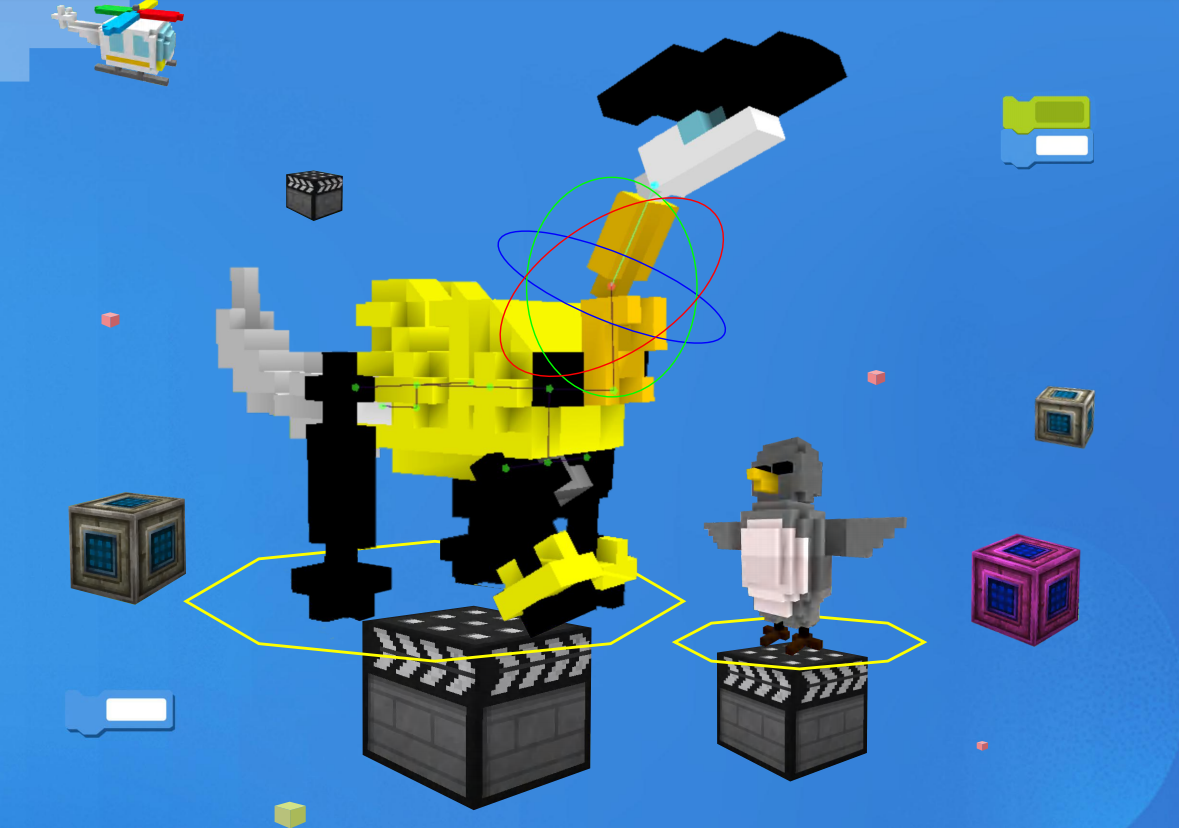
Paracraft itself is a very rich playground, where different children can play for life discovery. And as a spatial intelligence based software education platform, Paracraft also contains a wealth of knowledge. It is developed with a transparent architecture that allows potential children to even learn the underlying knowledge of 3D animation engine and artificial intelligence design. And these knowledge learning, not through the way of the curriculum, although we also have a small number of courses and a large variety of courses, but students are most of the time working on projects in our rich playgrounds (including learning resources) to explore the self-directed learning. Mentors mentor them through observation and conversations, guide them to restore and enrich their ability to explore and to create their own knowledge.

We see that the outstanding students graduating from modern education system often lack life skills and conversation skills. At the same time, because of their high grades at school, they mistakenly think that they are good at learning, but actually they do not have the skills to explore the truth by accumulating various facts and significant experiences, even if many of them have good thinking ability and feeling capability, and can subconsciously use these abilities.

Posted in Key Essays, Scientific Study, selflearning | Leave a comment

Mentoring based on Significant Experiences

中文版

Keywords:

Significant Experience, Abstract Modeling, Abstract Knowledge Model, knowledge, Sudbury Model, mentoring, conversation, education equality, exploratory learning, modern education system, exam-oriented education, new education paradigm, life thinking, life exploration, mentoring design

Abstract:

This article aims at the innovative education or Self-Directed Education (SDE) communities that have gradually gain popularity but still kept classroom-based learning and have not completely moved away from the old education or test-oriented education framework. We propose here a teaching design based on Significant Experience to help these learning communities shift from lecture-based teaching to a mentoring model that pays more attention to students’ exploration abilities.

Teaching/Mentoring/Conversing

What is “teaching”? In the communities of innovative education or SDE, we have gradually turned teaching into mentoring, and correspondingly turned teachers into mentors. Mimsy, one of Sudbury’s co-founders, has said that one of the biggest features of Sudbury Valley School (SVS) is the ubiquitous conversations between students and students, between students and staff, between faculty and staff, on a variety of topics.

The kind of conversations in SVS are a bit different from how people usually converse. In general, adults are used to expressing our judgments or conclusions directly, rather than the significant experiences behind them. People’s judgments and conclusions will generally be very different, often will become the focus point of opposition and disputes, and people argue back and forth for many rounds and still cannot resolve their differences.

We can say that these opinions, judgments or conclusions are the individual knowledge of people. When we converse, we are used to taking our knowledge directly out, rather than conversing on the sources of that knowledge, which are the significant experiences beneath. It’s often difficult to agree with each other in terms of perspectives or knowledge, but if we’re just communicating our own significant experiences, we can all respect each other’s expression of their own significant experiences. We actually share many common significant experiences together. Some experiences may be owned by the other party, not us. Or maybe the other way around, owned by us, not by the other party. But we can all respect each other’s experiences. If you don’t have some of the significant experiences, then remind yourself that your knowledge may lack some significant experiences and need to acquire them through some activities. During the conversation, although we may not have a strong personal experience in the thing being discussed, we still can have some understanding of the experiences shared by the other side, and be aware that these experiences are the foundation of the other person’s knowledge or opinions.

When everyone lays out their own significant experiences, we then look at all the significant experiences related to this topic as a whole, trying to form some overall understanding. This is the process of building knowledge from significant experiences. This process should rigorous, comprehensive, and even scientific. The process that scientists discover new knowledge is essentially the same.

The process of creating knowledge from significant experiences takes a certain amount of exercise.  In the conversation, the first thing we need is to share all our significant experiences related to the matter. Then let’s see if the process of learning (or drawing conclusion) from the significant experience is rigorous and complete. When we are obsessed with making our conclusions/views clear from the start and eager to communicate the views, the other person may not know the significant experience behind, let alone whether you have been rigorous in your steps of building up knowledge from significant experiences.

In fact, as long as the relevant significant experiences are laid out and there are no obvious omissions, it is not very difficult to build up knowledge from these significant experiences. You can even do so by just taking a glance of these experiences and then know immediately in your mind. The major mistake when creating knowledge (drawing conclusion) we often make is we didn’t recall and evaluate all out significant experiences completely and rigorously. So, first of all, putting all the relevant significant experiences out is the foundation of conversation.

This is basically the kind of conversation that SVS have, whether it’s between students and students, between students and staff, or between staff. From this perspective, “teaching” is ubiquitous. The founders of SVS always talks about SVS’ efforts to allow students to explore on their own, but it is not like adults don’t pay attention to the students. There are many subtle and complex things that the staff are carrying out in SVS, and one has to experience them directly by themselves. Such as conversations mentioned here, the experience and knowledge of both sides related to the matter are often not equal, so how to still engage in equal conversations? And how to manifest teaching and learning in their natural form? Learning and teaching are universal in life, not just in formal teaching/learning places.

SVS and many other SDE communities advocates age-mixing. So is there any teaching between the older kids and younger kids? Is it more like a relationship between an old player and a new player?

I think mentoring should be like the relationship between the old player and the new player. The old player tells the new player where there is things to play with (including various resources), guide when necessary, get the new player started, then let the new player play by himself. Old players sometimes need to offer a little help when the new player gets stuck. More often the old player only needs to give a gentle reminder so that the new player will be able to continue to explore on their own. Old players sometimes sum up what something is in the simplest language, which is the expressive power of abstract knowledge models. The relationship between the old player and the new player seems to be perfect embodiment of the relationship between the mentor and the learner, as well as the way to mentor.

What old players share with new players is a wealth of significant experiences and simple knowledge models. The old players are mainly to guide the new players to explore and form their own knowledge. Old players point out where there are things to play with, point out significant experiences for new players, and share more relevant significant experiences they have, with a brief overview of relevant knowledge models, all of which are guiding new players to explore and create their own knowledge.

Of course, there is actually a lot of things to explore here for this topic. I am only giving a general introduction here.

Design of Teaching/mentoring based on Significant Experiences

The main purpose of this paper is to discuss with you a feasible and easy-to-implement teaching design based on Significant Experiences that can go along with the curriculum of many SDE communities. I hope what I have talked about so far, can lead you to explore this topic. We shall all come together to explore this and contemplate.

Teachers in conventional schools are mostly giving lectures. Except for a few very good teachers, most teachers lack of relevant significant learning experiences. For mentors in the SDE communities, lecturing is still needed sometimes. Because younger children have very little experience, mentors need to talk about things to let them know there are so many things out there. Mentors also want to showcase playgrounds like old players. All the purpose here is to “induce learning interest” and guide students to play and explore on their own. As long as students can explore on their own, the mentor’s purpose has been achieved, and they stop lecturing.

In a way, that’s how kids converse. Watching their conversation, it is more about sharing each other’s significant experiences, or telling each other where to play. Adults develop stronger abstract minds and then stay more in the knowledge level of conversation. And in adults, we often see that the more knowledge one has, the more prejudice one has. This is mainly because the lack of insight into the source of knowledge, which is Significant Experience.

In addition, today’s children are generally more lonely, lack of adequate conversations with other children, which should be an important component of their education. And in our more formal teaching/learning places like schools, should we make more conversations happen between students, and students and teachers? Of course, conversations based on Significant Experiences are equal and friendly. Any authoritative conversations with inequality will immediately come to an end. If you have a clear understanding of the process of how knowledge comes from Significant Experiences, the conversations will be more effective.


Figure: the three Yuegu children in the picture were conversing. An adult came with her child.
The adult asked: kids, you do not go to school to study?
One Yuegu’s child replied: We are learning right now!
I noticed that the child the adult brought with her was clearly quite lonely and rarely have others to converse with.

If we look at education from the perspective of the relationship between people, we can see the deep problem of modern education. In education it is  vital to manifest equality among different people, and usually our concept of what knowledge is can have a huge influence on this equality in education. If we are well aware knowledge is something that everyone create for one’s own, then it is easy to have equality. If we think knowledge belongs to some people of certain authority, then there can hardly be equality.

It’s not just the relationship between adults and children in school, when we observe interactions between adults and their children at home, we can see there are a lot of equality issues, when compared to the interactions between children. In the face of inequality imposed by the adult, children’s response is very direct and even natural. Over time, this influence will gradually develop into certain personalities.

Therefore, design of teaching/mentoring based on significant experiences should allow students or students and mentors to have more such conversations based on significant experiences. Mentor’s role is more like an old player guiding new players to explore.

Mentors can guide students to build knowledge on a variety of topics according to their interests and goals. This may be a bit like the term paper or term project in American universities, but it will be done a lot more frequently and be of various sizes.

About the old educational paradigm

In traditional education based on lecture/homework/examination, it is natural for such a system to drive students towards the tendency of knowledge memorization, as if learning is just to remember those external knowledge.

The SVS Model is unique even among SDE communities. In SVS there is basically no lessons. Early years, some students may ask for some short-term lessons that might get terminated at any time. In recent years because of the development of the Internet, even such classes are almost not anymore. But looking at the interviews and memories of SVS graduates, they all have a strong ability to reflect on themselves and explore their own lives, to be able to think about life at a very deep level. I think that’s something that can be hard to achieve in many SDE communities that still have a lot of lessons.

I also found in my mentoring practice in the Paracraft Learning Center that children are naturally capable to feel and explore. For example, we have established a wealth of learning resources, open learning documents, there are a variety of excellent projects we recommended, there are small project list that we have divided into a couple of big difficulty levels, from beginners to intermediate to advanced, and some basic categories, such as 3D modeling and construction, animation and programming. Children themselves will choose the right learning resources or projects for themselves. When they take a break from working on their projects, they will go to the document to read content that is related to their projects, or find some related small projects to practice with. When they have chosen small projects that are a bit too difficult, they know to take a step back and choose a simpler one. Some will try to learn faster, and they will challenge themselves by picking those difficult programming projects, or taking apart other people’s rather complex programming works, see how the code is written, and study it for hours a day.

So we noticed that children are naturally capable of exploring. The younger the child, the more capable s/he is. But children who go to school for a few years lost this capability gradually. When they run into problems, such as how a block in Paracraft is used, they are used to asking the teacher directly. Some children may be a little unhappy if the teacher doesn’t give a direct answer but asks them to look for it in the document. But younger children mostly know how to try the block on their own in an experimental way. Young children hardly ask the teacher. Instead they use all kinds of methods to explore.

There is also a general view that children lack the ability to contemplate, I found that to be so untrue in my mentoring practice in the Paracraft Learning Center. In fact, children have a strong ability to contemplate, as long as we give them a chance.

So this kind of exploration and feeling is natural to everyone. By the age of 11 or 12, after the development of abstract thinking ability, these children’s ability to self-reflect and to explore life will be very strong, and they can engage in deep thinking of their life, unlike children who go to traditional schools.

But the traditional old education system, the kind of lesson/homework/examination way of education, immediately drives the students to the direction of memorization, deviated from their natural ability to explore learning and to create their own knowledge. Therefore, we say that the test-oriented education is evil, not only because the cruelty and torture of the examination, but also because the education model itself. This model quickly leads children to the wrong way, and strips away their natural innate ability of learning, makes them accustomed to think that learning is the memorization of other people’s knowledge, rather than creating their own knowledge.

The harm caused by such education can be seen in many of today’s social problems, whose roots are right in this education.

I will stop here. I hope we can explore this topic together. Such a teaching/mentoring based on Significant Experiences can be carried out in many SDE communities that still have semester long curricula. I have tried this method 10 years ago teaching in a learning community that served the young migrant workers. So I know it works. I hope we come to explore this field together!

Posted in Key Essays, selflearning | Leave a comment

Understanding Sudbury Model

中文版

Abstract

This essay tries to explore and form a deep understanding of the Sudbury Model, and what it means for the education innovations around the world.


The Sudbury Model is very rich, beyond what can be put into one article. Here I only choose some elements that I personally consider to be the very core of the model. For me, the Sudbury Model is love at first sight. After 20 years of practice in the education field, I feel it is about time for me to reflect on the Sudbury Model again. From my reflection, I feel that the very few essential elements of education that I have summarized after all these years of education practices, are right in the heart of the Sudbury Model. Please note here the I use the word Education in the most general sense as education is indeed everywhere in our lives and work,

Playground

I heard of the Sudbury Valley School from John Taylor Gatto for the very first time in 2004 or 2005. I loved it right there when he talked about it. The SVS (Sudbury Valley School) is a safe playground to me from the very beginning. Large groups of children can play there, which I always feel is the deepest core of the Sudbury Model. When a large group of children can play richly together, learning needs arise in a natural way. After you have the learning needs, the ways of learning is numerous, taking lessons being only one of them. This is what is actually happening at SVS. There are so many ways of learning. Even though there are a few very short term lessons, they appear naturally and disappear naturally. There is never such a thing called curriculum.

This model is quite similar to my childhood experiences. When I first heard of SVS, I was doing my graduate school research on elearning. I was very frustrated with what has been going on in the research and development in the academics and industry. Sudury Model is kind of what I had wanted to realize when I decided to devote my career to education 5 years before then. I thus changed my major and successfully applied an elearning graduate school research project. However, all the researches on elearning I had read then were so far away from what was on my mind, and very often the very opposite of it.

Learning/education has to have a Playground. Learning is everywhere. Play/Learn/Create, the three in one activity is the pervasive life activity in our daily life and work. When we talk about education, it must first have a Playground. Education is everywhere, not just at those formal educational places or scenarios. It is safe to say that life is full of education opportunities. We can even consider psychological consoling also part of education, since the root of many psychological problems are rightly due to the kind of education the person has been through. When we understand education in this general sense and we practice broadly in various educational settings, I believe we will all discover one thing: education must have a Playground.

Build a Self-Directed Explorative Learning Environment

Once you have the learning needs, how do you set about learning it? It is people’s natural innate exploring capability that SVS counts on.

To build a self-directed explorative environment, you need rich resources, so students can feel richly and strongly in this rich environment, and thus they can make choices, to accomplish self-directed explorative learning.

Thus in SVS, books are everywhere. SVS intentionally has all walls occupied by bookshelves that take up the whole walls. And the bookshelves are full of all kinds of books. These rich resources, are the explorative space for children, meeting their various learning needs. From learning perspectives, these resources are also Playground. Rich resources provide the possibility of choices, so students can feel of their own needs, and choose the appropriate resources for their learning. This kind of learning capacity, is what they need in the real world, because not all knowledge will be made into lessons in the real world. You just have to use your senses, to sense yourself, to sense the resources, and know when to skip ahead if it is too simple, or when to draw back if it is too difficult for now. In deed, learning in the real world requires very complex skills of sensing and exploring.

So the books and the various activities at SVS, can be all seen as Playground. Students need to sense their own interests to make choices.

We can also consider the age-mixing at SVS as a way of protecting children’s capability to feel, because the different ages create diversity. For example, in the book “Free at Last”, as the kids playing basketball together, the older kids know to sense the capacity of the younger kids, so that they won’t make moves that might hurt the younger ones. For those younger kids, by playing with older kids, they can feel the bigger challenge that they don’t feel when playing with kids of similar ages.

The staff at SVS (adults are called staff at SVS, not Teachers), are also resources that children can use. Furthermore, the staff at SVS do a lot of work to make a self-directed explorative environment for the students there. The book “Free at Last” outlined many such things.

Knowledge

SVS intentionally builds up bookshelves for all walls. I think it is to set up the awareness of “Knowledge” in the environment. Knowledge is not those categorized subjects or majors in schools. And not just the textbooks are knowledge. All these different books are knowledge, and we are all creating our very own knowledge.

When students have this strong consciousness of “knowledge” on their mind, they will try to create their own knowledge from their rich experiences. And in SVS you never lack rich experiences since SVS is such a self-directed explorative environment, like we said earlier.

SVS has a designated conversation room, where people can converse on any topics. This kind of conversing, is also a process to promote the building of knowledge and its expression. So knowledge is not just what the teachers teach in the classroom. When we converse, we are sharing our own knowledge, and we have to express it in our own words.

Dan, one of the founders of SVS said that knowledge is the model in people’s minds, everyone is creating one’s own knowledge.

When I read of the books by SVS founders, they questioned deeply the categorized subjects and majors in the modern education system. I think SVS’ filling up all rooms with books, is intentionally to break the wrong concept of knowledge that modern education has brought up on people. The more years I have practiced on education, the more I realized that the deep damages the concept of categorized knowledge had done to people.

So, the books everywhere in SVS, is to establish the concept of “Knowledge” in children’s consciousness, so they can disassociate the concept of knowledge from categorized subjects and textbooks of modern education. This is dismantling the concept of knowledge of modern education theory.

Conversation

Mimsy, another founder of SVS, has talked many times about the universal conversations at SVS. This kind of equal conversations exist between students and students, students and staff, as well as staff and staff.

We said earlier that learning is everywhere and education practice has to have Playground. So in an educational environment that has rich playgrounds, the conversation among players sharing similar interests and Significant Experiences, are natural and common. It is like conversations among children, or like those between old players and new players, it is friendly and equal. When this kind of conversations happen, it is already the best education environment you can have. However, modern education has formalized education so much, and made it so separated from real life, knowledge and teachers become the authority, and equal conversations are not possible anymore, thus true education is lost. People influenced by modern education, deeply locked up by the wrong concept of “knowledge”, have lost the ability to make such kind of conversations.

Naturally conversation is equal, and equality is the foundation of friendship. And such equal conversations are usually sharing of Significant Experiences and abstract knowledge models. The flow between significant experiences and knowledge models in conversation is free and agile. But modern people, who are bound by the wrong concept of knowledge of modern education, lost the skill to engage in such conversations.

If they are still capable of such conversation, then their families are the best education place, and playing pokers, chess, basketball, soccer can all be very good playgrounds. Parents who excel at equal conversation can be the best educators.

So the universal equal conversations at SVS, is dismantling the way of teaching of modern education theory, which is based on classroom/lesson/homework/tests.

Judiciary Committee

SVS Judiciary Committee has a session every day, and all students take turn to be on the committee. It is a very essential part of Sudbury Model.

The relation between individuals and groups and how individuals participate in society, are very important to everyone’s life. But in the modern education system, there is rarely any chance to think and practice in this aspect. Most people still don’t know how to handle these even after they have retired from their careers.

For example, how to take the traditional ethnic values in your own culture? What I see is that many college students still stick to those values like primary school students, while some students who have been exposed to society in college start to abandon all ethnic principles immediately, doing whatever to achieve their goals.

How individuals participate in society? This is not what ought to be learned in modern education system, but it is what one has to tangle with throughout one’s life.

Where in SVS, students have full practice on this through the Judiciary Committee. The Judiciary Committee has to have some adult members. And from my memory, some senior students should be on the committee because they have been through it many times, and they are more able to think abstractly than younger ones. Younger ones often are not able to articulate things very well, so these senior students will guide them to learn to articulate it, like when and where what happened, just stating the facts instead of subjective opinions. And they also do investigation and collect evidences. So the whole process of Judiciary Committee session is a very good practice of many things.

What SVS students are practicing in these Judiciary Committee sessions, are what we lack very much in our society. Many graduates from universities, including those with very high GPAs, are unable to think clearly and comprehensively. They are very confused about rights and obligations.

Trust in LIFE

I think the above are all based on trust in LIFE. This is completely different from modern education. Life, if you give it rich soil, it will grow healthily. The goal of education, unlike that of modern education, which is to produce skilled industry workers, should be about letting life growing up to become themselves.

The Implication of Sudbury Model for Education

Knowledge is universal. Learning is universal. Education is universal. Sudbury education, is about going back to life and nature.

The Sudbury Model we summarize here, is not an education model only targeting children or a specific group of people, but an education model for all people to be used in their everyday lives. We hope educators can find these principles helpful when making educational designs in their specific learning environments.

Posted in Key Essays, Scientific Study, selflearning | Leave a comment

Inspirations from Sudbury Valley School

Chinese Version

If we look at the Sudbury Model as a kind of educational design, Sudbury Model is a design that has nicely put together essential life centers of education. For example, conversation room, quiet rooms, bookshelves, equipment user lists, judiciary committee, school meeting, and so on are all good life centers of education. This kind of design based on Life Centers, is the same as software design or organization design, in which you feel of the important Life Centers involved, and then combine these Life Centers in a certain way, exactly the same process as how children play with LEGO or build up their 3d worlds in Paracraft. These essential life centers combined together make a model of education, which represents Sudbury Valley School (SVS) founders’ understanding of education. Education is a complex life system. To work in any complex life system often requires a design process, so we educators need to do this kind of design very often, to create a good learning environment or soil, so that life can grow healthily. The Sudbury Model is a very good design. The Paracraft Learning Center is designed based on the Sudbury Model.

Although like many other people, I went to full-time schools in my life. But maybe it is because the school at my time wasn’t like today’s, or where I grew up was quite a special environment, my learning environment in my kindergarten and primary school was pretty much like the Sudbury Valley School (SVS). In short, we have quite plenty of time to play, and we play with a lot of other kids. I might be the type of person who likes to reflect on things, so I can sense the very rich and important learning in those playing activities. Thus from the very first day of school, I was quite surprised that learning was like that at school, and started questioning the way of learning at school. At the very least, I never thought that school learning is all the learning one needs. And as I kept my observation at school, I started to think that even for theoretical learning, school way of learning is not very efficient and indeed quite a waste of time and a waste of life.

So when I heard of SVS for the first time, I felt the immediate closeness. I was doing graduate school research on elearning at the time, and have read a lot of scientific papers on learning, and know all kinds of education theories. I am familiar with all kinds of R&D efforts in academics and industry. But I was shaking my head at all these. I hadn’t heard of anyone talking about the kind of education I wanted until John Taylor Gatto came to town and talked about SVS. He made a 3-hour long speech, and during his whole speech, I kept shouting hysterically inside, like listening to a great Rock & Roll performance.

Different from SVS and other Self-Directed Education (SDE) schools or learning communities, Paracraft Learning Center is part-time. Children come to the center at least 2 hours per week. We don’t think that we have to offer children the ideal perfect environment. It is healthy to be exposed to all kinds of environments. Children know how to compare and reflect. But we need to let them have enough exposure to Self-Directed Education, and this exposure needs to be powerful, deep, and rich. This is what Paracraft Learning Center aims to do. With this kind of exposure, they will have a healthy and strong core so they can handle any environment that they face and know how to gain knowledge in any kind of environment. Even in those artificial boring environments like conventional schools, they also know how to enrich themselves, to make things meaningful, to spend the time actively instead of passively.

Paracraft Learning Center is able to do this because Paracraft as a platform is very rich. It is like the rich nature, children can learn very richly in nature. So although it is not full-time and children only come 2 hours per week (in addition to time spent at PLC, our students all work on their own projects when they go home, projects that are totally from their own ideas) and parents don’t have to make a big decision regarding whether to send them to a full-time Self-Directed Education school or learning community and their children can still go to their regular school after their learning at Paracraft Learning Center, these children nevertheless have grasped the way of exploring and methods of self-directed learning, and they won’t get lost again when they head back to the classroom environment of the school, since they have gained a rational understanding of what learning actually is in PLC. In general, it is my personal belief that to allow children growing up in a healthy way, we don’t have to isolate them away from bad things, we only need to expose them to good things in life, they are then able to handle the imperfections of the real world. Life is full of good things and not that good things. But still, life is beautiful!

When I was in 3rd grade in primary school, in the summer, I re-read the textbooks that I had just finished the previous semester. What I discovered is that I had forgotten almost all of them, even though I had just taken the tests and had very high scores on them. But reading those books again, I realized some content is actually quite useful and I was supposed to remember. So, from then on before every semester, I would rush through the textbooks of that semester very quickly, just to see what content I aught to learn from them. So during the classes, I only focused on those content, ignoring all the other details. This saved me a tremendous amount of time. But I know that I need to prepare a little extra just before the tests since the tests have their weird formats. You just need to memorize a bit more for the tests. For those things that you have to memorize for the tests, I don’t regret forgetting them at all after the tests. So in this way, learning is not stressful, and I still keep good grades.

When I see today’s kids in China, after they come back from school, they have to attend many other courses by those “educational” companies, and even their weekends are fully occupied by such courses. They don’t have any time and space for playing, the kind of playing I had as a kid, with many other kids and running around freely. They never had the time to read the textbooks by themselves, always following the teacher closely step by step. They have gone to many after-school courses but still can only achieve very low grades on school tests. What they need, is exactly the self-directed learning capability that you gain from playing naturally, which is what Paracraft Learning Center gives to them, even if it is just 2 hours a week. It is a free space for these children, where they can breathe.

So I feel the SDE Model of Paracraft Learning Center, designed based on the Sudbury Model, is an SDE model that can spread widely and expose a lot more families and children to SDE. It has been my work for the past 20 years making efforts to spread the Sudbury Model to all people, and making Sudbury Model an educational choice available to all families and children. In recent years, I found that youth software education might be the way to make the breakthrough and expedite the process. And Paracraft, the rich 3D programming software, is the best way to carry out this task. So we incorporated Paracraft and Sudbury Model together and started this Paracraft Learning Center model. It has been quite successful so far, drawing families of all backgrounds. And most of them never heard of SDE or Sudbury before. However, children love to do all kinds of things in Paracraft, so we have rich opportunities to do education with it.

To learn about the Paracraft Learning Center, you can go to :
http://paracraft.org/

Or read this essay:

Paracraft Learning Center

Posted in Key Essays, selflearning | Leave a comment

Sports Learning 6 Word Tip

如今体育已经成为中考的必考科目,并且占比和语数英一样,都是100分。似乎应试是个无所不能的魔棒,把体育划入中考科目就能解决问题。因为现在的孩子们在应试教育里疲于奔命,都没有时间锻炼身体了,所以把体育也拉入应试里面去,这个办法似乎很聪明。

记得米卢做中国足球国家队主教练的时候,给中国足球开的药方就是“快乐”,要享受足球的快乐,要玩起来。否则每次大赛都被心理压力压得动作变形。

我下面结合足球讲一下运动项目的学习。其实各种运动项目的学习都是差不多的。

考试这东西,很多家长觉得不敢不把它当回事,但我觉得也别太把它当回事。你只要以提高自己的真实能力为基础,考试成绩也不会差的。过于单纯的追求考试成绩,不光很难取得理想的成绩,快乐和身体也没有了。

下面给大家总结了一个简单的五字口诀:“玩,悟,析,练,赛”

首先是玩起来。哪怕是刚开始踢球,会不会没关系。无所谓会不会。就是上去踢上一脚,享受这个快乐。你一定要享受足球。中国人的文化,太习惯了吃苦耐劳,在“享受快乐”这方面是比较差的。米卢给中国足球开的药方,不啻为给中国文化开的药方。

记得我在小区的草坪上练练颠球的时候有时会有小区里的小孩想跟我一起踢,但我发现上了10岁的小孩比较普遍的已经丧失了探索的快乐,他们很希望我告诉他们应该怎样传球,怎样的动作才是正确的,要我告诉他们脚应该怎么放,然后很努力要做“正确”,程式化非常明显。说真的,他们要求我这样教他们的时候,我感到无比的悲伤。

玩,就是先不要思考,只要有思考就会有偏差。放下所有的“想”,把念头空掉,直接去玩就好,让身体自己去感应,感应快乐。什么都不要想,玩吧!

有了丰富的玩的体验,下一步就是“悟”。不需要刻意,就是自然的根据自己的体验去“悟”就行了。只要你不是过于偏执于某件事上,“悟“是每个人自然的能力。

所以,就是在丰富的玩的体验上,简单的”悟“一下就好。怎么做能做得更好?如果你已经不思不想的玩了,还没有什么所悟的话,那你一定是过于偏执于什么了。

也有人喜欢把悟叫做不思考的思考。这么叫都没有关系。你需要明白这是直接的空间的感知。

“析”是分析。有时候,不光是悟,我们还需要动起脑子,做个分析推理。具体的分析一下原因,找解决的办法。


图:小马拉多纳颠球

比如上图中小马拉多纳这样不停的单脚颠球,如果要长时间的这样颠球,其实很关键的是另一只脚保持平衡的能力。如果另一只脚占不稳,很难长时间这样单脚颠球。

或者以前你习惯右脚踢球的,现在想训练左脚,发现左脚跟不会踢球的人一样很笨拙。这时你可以比较左右脚的不同。也许左脚缺乏力量,需要专门的做个力量的训练。或者是发现左脚不能像右脚一样很好的控制小肌肉。

有时候推理分析是需要的。但一般人的问题是过多的进行推理分析,而忽略了其他方面,比如“玩”和“悟”。实际上,“玩”和“悟”是本体,“析”只是在它们基础上的补充而已。大多数人的学习是本末倒置了。

有了上面的步骤,下面就是决定如何训练自己。

首先是根据“玩”和“悟”,找到这个运动的核心本质。足球的核心就是球感,两脚如何更好的控球。我喜欢的运动比较多,很多种运动下来,我可以总结出来,所有的运动都是训练相关的小肌肉与小脑之间的控制与协调。这是我尝试很多种运动后得出的结论。这样,每次开始尝试一个新的运动时,我能依此快速的找到这个运动的要旨。但是,即使你不是已经有这样的丰富的运动经验,如果你掌握了“玩”和“悟”,你也是可以快速的找到该运动的要旨的。

找到要旨后,比如既然足球的要旨是两脚的控球,那么颠球就是最好的训练方法。

之后,也许你又可以悟到足球是空间的艺术,并且必须在非常快的时间里完成对场上瞬息万变的状况的判断和动作的完成,那么空间感非常重要。

所以,可以尝试和不同类型的人踢球,踢不同空间密度的比赛,体验场上人少人多时的不同。这样去锻炼自己对空间的感觉。

看李小龙怎么练习武术的,他也是通过悟,然后针对武术的本质,自己创造了很多独特的训练方法。李小龙对武术的本质是把握的非常好的。比如他说我们都两手两脚的动物,所以我们的功夫只能是两手两脚的搏击。

在比赛中,大家都希望比对方做得更好。比如踢球,你快别人也想快。这样的竞技其实是可以创造无比的快乐的,也是最好的“练”和“玩”,不需要以过于功利的眼光去看待比赛。

以上大致是一个循环。在这样一个循环后,再次回到“玩”上面,回到这个初心,在更高的层面进一步享受玩的快乐。这点很重要,因为“赛”和“析”等很可能让你忘记了“玩”。不断的重复这个过程,就是很自然快速的学习方法。

学任何体育项目,都离不开“玩,悟,析,练,赛”这五个字

其实,还有第六个很重要的字“看”,就是多看,不光是看书,要看各种东西。尤其是要达到很高境界的,离不开多看。李小龙学功夫,就自己看了很多门派的功夫,还看了不少的书籍,包括哲学方面的书。马拉多纳也看自己的偶像们踢球,从中吸收营养。

“看”在互联网时代则更加重要,更加丰富。比如学习游泳,可以看看奥运冠军们游泳的样子。学习编程,也需要在互联网上海看,或者去书店海看。大家要深深的喜爱自己做的事情,由这个兴趣去驱动自己找各种东西来看,丰富自己的见识。

能把“看”和上面的五字诀很好的结合的人,学习任何东西都可以达到很深的境地。

“玩,悟,析,练,赛,看”这六字诀,如果你有足够的自学的经验,你就知道,这是适用于所有领域的学习的。 有的人自出生以来的思维习惯可能会擅长某几个方面而有其他方面的短板,好的教练就懂得如何因材施教去指点不同的人。

所以,体育其实可以让人学到很多东西,甚至超越自我

这六字里面,传统教育强调的都是在“析”的方面,过于强调“析”,这其实是工业化大生产带来的影响。一方面当时自然科学的诸多重大突破,把自然科学在人们心中的地位推到了至高的位置。另一方面,机械化大生产对人类社会心理产生巨大影响,逐渐日趋变得机械化。最重要的,则是现代教育为了服务机械化大生产,为了给机械化大生产培养大量的愿意在流水线上长时间做着单调机械的工作的工人,通过系统的设计,有意无意的用所谓的艰深的逻辑推理把大多数人淘汰掉(变成流水线工人)。

那么,在今天的更追求创造的知识经济时代,我们需要重新恢复这六字中的其他几个字,尤其是玩,悟,看这几个字。这三个字,其实都是空间的交互与感知,是学习的基础。“析”仅仅是辅助,并且“析”本身,也是建立在空间感知基础上的。

Posted in selflearning | Leave a comment

Software, Life, and Education

我们说软件的数字化,其实就是在数字化生命,是一个不断识别生命创造生命的过程。所有的我们能够识别的东西都可以数字化。所有的我们能够识别的东西都是生命

软件就是生命,软件不断的创造生命。不光最终的软件或者产品是生命,软件开发中的建模本身就是识别生命创造生命的过程,建好的抽象模型就是数字化的生命,这个生命是动态的,还会继续的变化,根据实践中获得的反馈不断的改进,甚至演化出更多的层次。

所以软件编程可以说是一个识别我们物理世界或人类社会中的生命并将这些生命数字化的过程。软件就是数字化的生命。 那么什么是人工智能呢?人工智能是能够识别生命创造生命的数字化生命。这就是我认为人工智能应该有的定义。如今的人工智能还只是计算,谈不上对生命的识别。所以,人工智能的发展,首先应该是对生命或者说对生命中心的识别。有了这个最基础的能力,其他复杂的能力如解决问题能力,思辨能力,复杂系统诊断能力,学习能力,甚至创造能力都能发展出来。

我常说人生/每天只有三件事可做:玩,学习,创造!这就是生命的过程。可以说生命只做这三件事情。 正是因为软件编程就是这样的一个生命过程,我们可以看到编程其实就是一个玩,学习和创造的过程。编程中的抽象建模,就是要找到一个领域里的基本的积木或者说组件,让人们可以去搭建出来各种复杂的建筑或者其他的复杂生命体,如各种网页或者各种电商平台等等。找到基本的单元(学习),让人们可以玩起来(玩),用来搭建各种复杂的东西(创造),这个过程就正是学习,玩,和创造的过程。

真正的玩,一定是同时包含学习和创造的我们小时候不管玩什么总是期待能学到新的东西,如果学不到了,我们就会换一个东西玩。我们在玩的过程中也总是在尝试去创造,能够让我们大量创造的东西我们会觉得太神奇太好玩了。编程正是这样一个不断的学习新东西,去创造好玩的大家都可以用来创造的东西。并且这是一个实践,交互,获得反馈,不断改进的循环迭代的过程。这就是生命的过程,和我们每一个人的成长是一样的,必然包含了玩,学习和创造!

所以,编程教育从来就不应该是只教编程的教育。程序员都需要大量的学习,学习许多不同的领域。并且编程里的学习,必须是非常高效的学习。编程教育就是要教大家如何学习,实际上是引导大家回归小时候每个人或者说每个生命都有的学习能力,也就是在玩中自然学习的能力,并通过编程对这样的学习形成抽象的系统的认识且能有意识的高效的运用。所以编程教育是重建人类教育的教育,编程教育必然是生命教育。下面这段我们还会继续阐述这点。

编程教育也是重建艺术与科技的桥梁的教育,因为软件编程就是艺术与科技的桥梁,是人文学科与自然学科的桥梁,是人类世界与物理世界的桥梁由机械化生产和机器大生产催化的现代化进程,也是人类逐渐变得机械化和机器化的进程,为机器化大生产服务的教育尤其如此。 当你只需要在某个行业做操作性的工作时,你是不需要学习的,你只需要存储一些记忆,比机器高级一些,能够记住该行业很多的术语和操作步骤,成为高级的机器就可以了。我不是只指工厂里的工作,那个时代大部分的工作都是如此。但是软件编程这样的需要对人类生活和物理世界的方方面面进行数字化的工作,需要不断的进行新的领域的学习或者做更底层的抽象的理解,是需要很强的学习能力的。由软件催生出来的人类的数字化时代,创新成为重要的生产力来源,所以学习重新成为人类社会的重要需求
被现代化教育人为割裂以方便人们记忆的分门别类的学科重新需要互联互通。艺术与科技也绝不是鸿沟,更不应该让科技发展压制艺术与人文的发展,那是非常危险的进程。通过生命空间的感知,我们让科技成为艺术和人文的一部分,已经停滞多年没有重大突破的科学也会重新迎来发展的春天。

人类逐渐机械化机器化,不光是我们的教育深受影响,我们的科研也深受其害。这一方面是因为现代化进程中形成的现代教育扼杀人的学习能力和创造能力(用剥夺玩的方式,以所谓的“学习”的名义。名为学习,实为培训,培训高级机器人。),连爱因斯坦也说很庆幸自己没有被现代教育给扼杀掉。当然,爱因斯坦受教育时还在现代教育形成之初。到了今天已经相当成形的现代教育可能已经把所有的爱因斯坦扼杀光了。另一方面是因为催生现代化的人类近代自然科学,在当时可谓是光芒四射,取得了巨大的突破。人文科学开始普遍的采用自然科学的研究方法,尤其是非常生硬的要把所谓的人的主观完全排除出去,这样其实也就把人类的感知也排除掉了。提出生命中心的克里斯多夫亚历山大指出笛卡尔的主客观分离是现代科学发展的基础,也造成了现代科学的缺陷。他提出生命中心,正是要重建主客观的正确关系,在新的科学里将它们重新统一起来。作为建筑师的亚历山大对软件编程的发展影响极大,他对软件业的期待也非常大,认为程序员是真正能够实现他的思想的人。其实现代科学的发端,来自于文艺复兴里对艺术和人文的全面的追求和探索,科学作为这个探索的有机组成也蓬勃发展起来。但人类的进程,资本逐利的力量,在现代化进程中,让艺术人文与科技逐渐割裂开来,对生命的感知被广泛的忽视,在各个不同的领域,我们都可以看到生命的感知是如何被忽略的。比如大家普遍的把数学,物理,甚至编程这样的学科认为是需要很强“逻辑思维能力”的学科,所以很多人会很快的认为自己不擅长这些学科是因为自己的“逻辑思维”不强,自己更擅长艺术方面的学习。我最近看一本满是逻辑思维题的书,翻下来发现所有的题其实都是建立在空间感知基础上的,空间感知解决了80%甚至90%以上程度,然后最后一点就是他们说的所谓的那种线性的“逻辑思维”。这本书讲解的解题答案基本上是最后那百分之十几的逻辑部分,搞得好像这个思维很难,但是如果被忽略的空间感知和思维被采用,所有的题目都很容易。这种艺术与科技的分裂,正是现代科学的发展逐渐变得停滞多年缺少重大突破的一个重要原因。改变这个状况,就需要重新把对生命的感知带回来,重新建立艺术与科技之间的桥梁。软件作为数字化的生命,作为关于生命中心的科学,正是被亚历山大赋予厚望的原因。科学的进一步的飞跃,必须回到文艺复兴时期那样的艺术与科学的充分融合,我们需要我们这个时代的诸多的达芬奇。

当然,诞生于机器化大生产时代的计算机科学自身也深受其害。发明最短路径算法的Dijkstra说:太糟糕了,我们取了个这么糟糕的名字,计算机科学,就好像把脑科学叫做刀子的科学一样。所以今天的大学的计算机科学专业培养出来的大量的是不合格的程序员。在软件日益进入我们生活的方方面面的今天,对优秀的程序员的需求是个巨大的缺口。大学计算机专业培养的学生大多只能像普通工人一样完成些比较小的既定的任务,探索能力,设计能力,创造能力都很差。大量的行业需要的产品设计,项目管理人员竟然不是计算机科学专业毕业的,几乎没有写过一点代码,遑论对软件有好的理解。现代化教育的学科割裂在软件行业也制造了无数的灾难。

所以,编程教育首先要改变的是自己。而改变的路,就是向更广大的普通人群普及编程的教育。编程教育本身应该是素质教育,在向普罗大众科普编程的过程中,我们才能改变它被命名为计算机科学以后带来的种种错误的公众形象,找到它真正的实质。首先,编程的学习可以很简单。
只要让人们能够玩起来。现在的编程学习是人为的被弄的太难了。其次,每个人都需要学习编程,但不是每个人都需要成为职业的程序员,每天大量的写代码。软件行业有大量的职位,产品,设计,管理,学点编程都能帮助你1000倍的更好的做这些事情。

我们前面说软件就是生命,催生了以大量创造生命为特征的人类数字化时代,从而带来了改变现代教育的社会基础时代基础,现代化进程中形成的教室教材教师三位一体的现代教育到了不得不改变的时候。本身需要大量学习的编程,通过编程教育,也将开启重建人类教育的进程。从改变编程教育开始,人类百年来的自主教育积累下来的丰富经验,将会被数字化,形成更为本质和系统的理解,这些软件会成为未来教育的基础设施。这些才是我们需要的教育软件!在编程教育中,人们将接触到学习的实质,如何通过抽象建模去学习,并将学习获得的理解变成可以用于搭建的好玩的抽象模型,甚至编程本身就是学习本身,通过编程去学习各个领域的知识,学科的隔阂都会被打破。

对生命大量数字化的编程,也让我们对生命有了更本质的理解。这些理解,会帮助我们做好编程教育,在理论上和软件基础上,成为未来教育的基石,帮助教育回归生命本身!

对生命大量数字化的编程,逐渐让人类走进以丰富生命为目标的时代。现在我们还只是在数字化普通的生命,还未能数字化出来能够识别生命的生命能够创造生命的生命,那将真正开启人类的人工智能时代。今天我们做的编程教育,就是在为之做的大量的准备工作。让教育回归生命,构建关于生命的理论体系,都是基础的准备工作。当人工智能能够识别生命创造生命时,人类创造生命的进程会大大加速,我们可以去探索宇宙的一切奥妙。作为逆熵而生的生命,从一开始我们就开始了对抗宇宙熵增的进程。这场抗争,发展到高级生命的人类的今天,似乎仍然是无可避免的走向失败的宿命,宇宙最终还是会毁灭的。除非我们创造生命的能力,已经可以创造宇宙!谁说那又是不可能的呢?也许生命能够逃避最终归于混沌的宿命,成功的完成对抗宇宙的使命!

Posted in selflearning, Software Education | Leave a comment

Best Software Learning Platform

本文目前只有中文版。

在安格指导学生学习编程。学习编程的人不多。虽然表示对编程学习有兴趣的人比较多,但大多数人似乎都因为传统的对编程的刻板印象,以为学编程就是跟机器打交道,而大多数人是畏惧机器的,所以并没有进入真的编程学习阶段。

我一直认为每个人都应该学习编程,希望能够普及编程教育。编程其实不难,但是现在大家学编程,从一开始就给学生灌输很多和机器相关的概念,而大多数人对机器并不感兴趣,所以变成只有对机器感兴趣的人才会去学。另外,传统的观念,主要的强调编程里的算法或者所谓的逻辑推理,也把大多数人拒之门外。

发明最短路径算法的Dijkstra说:太糟糕了,我们给这门科学取了个这样的名字:“计算机科学”,这就好像把脑科学叫做“手术刀的科学”一样本末倒置。我们今天终于可以看到这个危害的结果。


图:发明最短路径算法的Dijkstra

真正学过理工科的同学都知道,计算机科学/软件编程绝不是门单纯的理工科。在我看来,它是人文学科和自然学科之间的桥梁,是人类世界与物理世界之间的桥梁。这是软件编程真正吸引人的所在。互联网之父Bill Joy就深情的描述过他第一次接触编程时那种看着思想转化成可以在机器上运行的代码并显示出结果的美妙感觉,这也正是他对软件编程一见钟情的原因。Python之父Guido则主张,软件编程是人类继写作(即书面表达)后发明的更深刻和优越的思想表达工具,是新形式的知识载体,每一个人都应该学会编程,编程会成为未来评估文盲的标准。


图:互联网之父Bill Joy

那么普通人如何学习编程呢?我觉得最好一开始的编程不要和机器相关。我们需要找到一个大多数人可以玩起来的“玩地”,而大多数人对机器是不感兴趣的。

那么大多数成人都感兴趣的是什么?在每个国家,社交网都是大众最普遍使用的软件,比如微信,微博,facebook, twitter。所以我觉得成年人学习编程的玩地应该是管理他们的社交人际关系,资讯和知识的获取。另外要让他们脱离机器来学习编程,那么就应该让他们在网页上进行编程,比如有网页版的在线编辑器,可以写一些简单的代码,初步体验编程。

比如,我可以在朋友圈或者微信群里发小的编程示例,大家在上面直接就可以开始尝试些编程。这是大家比较熟悉和方便的方式。

大家可以在网页上编程来管理自己的人际关系和获取的信息,可以把搭建好的程序分享出来给大家。平台会提供基础的编程指令,用以对人际关系或者资讯做基本的操作。大家可以用这些指令来编程。普通人都可以很方便的尝试编程,有很强兴趣和天分的可以搭出自己的微信或者facebook出来。比较困难的网络连接和高并发,平台或者编程语言本身会自带相当程度的解决方案,网络编程和高并发不会成为普通人搭建大规模应用的瓶颈。

其实web2.0时代也有些类似的让普通人可以“编程”的平台,如yahoo的pipe。 让大多数人能够编程从而更好的享受互联网带来的种种便利,也是大家当时共同的认识。但是当时很多的做法,只是让普通人对数据的简单操作,并且排斥了编程语言,不敢让大众学习编程语言。不使用编程语言的话,能做的事情很少,也很不方便。那个时代(大概05,06年),学习编程语言可能还是大众比较难接受的事情。但今天,大众心理上已经强烈的感受到学习编程的需求,只是大多数编程学习要求他们去学习大量的机器,并且一开始就要学机器,所以很多人虽然想学,但视为畏途,把很多对编程感兴趣的人挡在了门外。所以,今天,应该可以让大众们在社交和资讯获取领域找到他们可以学习编程的“玩地”。并且,使用编程语言来编程,他们是可以打造出微信,facebook这样的大的应用出来的。

这将是个非常好的互联网生态,非常丰富和健康。平台只提供编程基础设施,提供丰富的基本的组件。大家想要怎么管理自己的社交关系或资讯,都可以用自己的方式去管理。不用像今天这样,受制于微信,facebook。拥有自己的信息,拥有自己的应用!

以上讲的主要还是管理个人的人际关系和资讯,也就是人和信息。其实再深一些,就是知识,也就是对“重要体验”的管理。让大家通过编程把重要体验玩起来,去扩展,分享和交互。这就是未来真正的知识平台。

到时,大家拥有的就是一个真正可编程的世界!

每一个人都应该学习编程,但不是每一个人都要成为职业的程序员。今天软件行业里大量的软件管理人员和产品设计人员等等,都没有什么编程经验,技术人员与产品人员之间的沟通有着巨大的鸿沟,很大程度上影响着软件行业的健康发展。我们认为这是很不正常的,问题的根源就在于我们的编程教育把大多数人挡在了门外。而我们这里设想的,通过更好的面向大众的编程教育,不光可以让普通人都能够更好的获取互联网带来的力量,让互联网摆脱今天的巨头垄断的沉闷局面,也可以解决软件行业最大的问题,让软件行业走向健康发展的道路。

所以,总结一下,一个好的编程学习平台,应该是大家都很熟悉的领域,和每个人的生活相关,大家喜欢去学,愿意去学,有基本的指令和组件,可以通过编程在里面进行各种创造。最好平台或者编程语言本身已经解决了大部分的网络连接和高并发的问题,让用户可以更专注在他们熟悉的领域。

儿童最好的编程学习平台

那么,我们再来看儿童编程学习,Paracraft正是满足了这些条件。

孩子们非常热爱搭建,喜欢创造,尤其是带有美术的创作。这些就是Paracraft的3D世界给孩子们提供的“玩地”。创作出来的作品可以分享,他人可以欣赏并重复使用。

而Paracraft所基于的NPL语言,本身就是模拟人类大脑高并发工作原理的编程语言,用户不需要了解太多的网络底层和高并发细节的知识,就可以创造高并发的网络应用,这也在很大程度上让孩子们不是必须先大量了解机器才能学习编程,普通的孩子就可以创造出大规模的网络应用。

我们的期望,同上述的成人世界的编程学习一样,未来孩子们可以创造出无数的“并行世界”(ParaWorld),教育者们也可以为孩子们设计出各种富有教育意义的世界,比如学习生物,数学,物理,古诗词的3D世界等等。

同样的,Paracraft未来也会是儿童最好的社区,是儿童的可编程世界!

Posted in Uncategorized | Leave a comment

Knowledge and Action as one in Software Programming

知与行的关系,大师们你来我往讨论争辩了几千年都没说清楚,成为中国哲学的一大命题,在软件编程里,却像天上的明月一样一清二楚一目了然:我们对一个领域通过观察和实践,快速的形成理解模型,并根据该模型搭出初始的原型,用这个原型去快速的实践和交互,根据获得的反馈不断的改进和丰富我们的模型。

学而不思则罔思而不学则殆,孔子老人家老学究的这句话,在编程中也是清清楚楚无需多言的。

大家现在是不是对编程的实质有一些了解了?为什么我们说编程是最好的思考最好的学习?

当年编程最吸引我的就是,文人们表达自己的思想,你说你的我说我的,文人相轻,谁也不能说服谁。用编程表达思想,代码必须能在机器上跑,必须给千万人使用,直接就是验证,直接就是行动和改变!

所以,我们有句行话:用代码说话!

Posted in Software | Leave a comment

Man and Machine

本文只有中文版。

编程教育是重建艺术与科技的桥梁的教育,因为软件编程就是艺术与科技的桥梁,是人文学科与自然学科的桥梁,是人类世界与物理世界的桥梁。

由机械化生产和机器大生产催化的现代化进程,也是人类逐渐变得机械化和机器化的进程,为机器化大生产服务的教育尤其如此。

当你只需要在某个行业做操作性的工作时,你是不需要学习的,你只需要存储一些记忆,比机器高级一些,能够记住该行业很多的术语和操作步骤,成为高级的机器就可以了。

我不是只指工厂里的工作,那个时代大部分的工作都是如此。但是软件编程这样的需要对人类生活和物理世界的方方面面进行数字化的工作,需要不断的进行新的领域的学习或者做更底层的抽象的理解,是需要很强的学习能力的。

由软件催生出来的人类的数字化时代,创新成为重要的生产力来源,所以学习重新成为人类社会的重要需求。被现代化教育人为割裂以方便人们记忆的分门别类的学科重新需要互联互通。艺术与科技也绝不是鸿沟,更不应该让科技发展压制艺术与人文的发展,那是非常危险的进程。

通过生命空间的感知,我们让科技成为艺术和人文的一部分,已经停滞多年没有重大突破的科学也会重新迎来发展的春天。

人类逐渐机械化机器化,不光是我们的教育深受影响,我们的科研也深受其害。

这一方面是因为现代化进程中形成的现代教育扼杀人的学习能力和创造能力(用剥夺玩的方式,以所谓的“学习”的名义。名为学习,实为培训,培训高级机器人。),连爱因斯坦也说很庆幸自己没有被现代教育给扼杀掉。当然,爱因斯坦受教育时还在现代教育形成之初。到了今天已经相当成形的现代教育可能已经把所有的爱因斯坦扼杀光了。

另一方面是因为催生现代化的人类近代自然科学,在当时可谓是光芒四射,取得了巨大的突破。人文科学开始普遍的采用自然科学的研究方法,尤其是非常生硬的要把所谓的人的主观完全排除出去,这样其实也就把人类的感知也排除掉了。

提出生命中心的克里斯多夫亚历山大指出笛卡尔的主客观分离是现代科学发展的基础,也造成了现代科学的缺陷。他提出生命中心,正是要重建主客观的正确关系,在新的科学里将它们重新统一起来。

作为建筑师的亚历山大对软件编程的发展影响极大,他对软件业的期待也非常大,认为程序员是真正能够实现他的思想的人。

其实现代科学的发端,来自于文艺复兴里对艺术和人文的全面的追求和探索,科学作为这个探索的有机组成也蓬勃发展起来。但人类的进程,资本逐利的力量,在现代化进程中,让艺术人文与科技逐渐割裂开来,对生命的感知被广泛的忽视,在各个不同的领域,我们都可以看到生命的感知是如何被忽略的。

比如大家普遍的把数学,物理,甚至编程这样的学科认为是需要很强“逻辑思维能力”的学科,所以很多人会很快的认为自己不擅长这些学科是因为自己的“逻辑思维”不强,自己更擅长艺术方面的学习。

我最近看一本满是逻辑思维题的书,翻下来发现所有的题其实都是建立在空间感知基础上的,空间感知解决了80%甚至90%以上程度,然后最后一点就是他们说的所谓的那种线性的“逻辑思维”。这本书讲解的解题答案基本上是在讲最后那百分之十几的逻辑部分,而忽略了作为基础的空间感知的那部分,所以搞得好像这个逻辑思维很难。但是如果被忽略的空间感知和思维没有被忽略掉,书上所有的题目都很容易。所谓的逻辑思维,如果以空间感知为基础,其实是很简单的。

这种艺术与科技的分裂,正是现代科学的发展逐渐变得停滞多年缺少重大突破的一个重要原因。改变这个状况,就需要重新把对生命的感知带回来,重新建立艺术与科技之间的桥梁。软件作为数字化的生命,作为关于生命中心的科学,正是被亚历山大赋予厚望的原因。科学的进一步的飞跃,必须回到文艺复兴时期那样的艺术与科学的充分融合,我们需要我们这个时代的诸多的达芬奇。

当然,诞生于机器化大生产时代的计算机科学自身也深受其害。发明最短路径算法的Dijkstra说:太糟糕了,我们取了个这么糟糕的名字,“计算机科学”,这就好像把脑科学叫做“手术刀的科学”一样。


图:发明最短路径算法的Dijkstra

所以今天的大学的计算机科学专业培养出来的大量的是不合格的程序员。在软件日益进入我们生活的方方面面的今天,对优秀的程序员的需求是个巨大的缺口。大学计算机专业培养的学生大多只能像普通工人一样完成些比较小的既定的任务,探索能力,设计能力,创造能力都很差。行业需要的大量产品设计,项目管理人员竟然不是计算机科学专业毕业的,几乎没有写过一点代码,遑论对软件有好的理解。现代化教育的学科割裂在软件行业也制造了无数的灾难。

艺术与科技的分裂,也严重局限了我们的人工智能研究。今天的人工智能研究,绝大多数都停留在统计算法层面,远远谈不上智能。除了极少数的人,今天的人类世界太缺少能够在整体层面思考人工智能的人。我们百年来的现代教育给我们的今天带来了巨大的困境。

人工智能可以是人类掌握核力量后又一个可以摧毁我们星球文明的技术。三体里的设想,警告不要让外星文明知道我们地球文明,因为外星文明很可能比我们的技术要高出很多,可以轻易的消灭我们,就好像我们踩死一只蚂蚁一样。

我觉得这个设想是有问题的,因为如果外星文明真的拥有比我们发达许多的跨世代的技术时,这样的外星文明一定是已经解决了内心困境的文明,否则早就把自己玩死了。我们的地球文明如果没有解决自己心内的问题,仍然在人文艺术与科技割裂的道路上一路狂奔,我们还能延续多久,是个巨大的问号。虽然人类的进化优势依靠的是大脑的智能,但是如果智能没能发展成智慧,人类主宰地球的时间长度可能还不如四肢发达的爬行动物恐龙。

所以,在软件日益普及,人工智能成为风口,人工智能教育也成为编程教育的风口的今天,我们需要思考,我们要的到底是什么样的人工智能?是让人类社会进一步机器化机械化的人工智能?还是把人类真正解放出来,让人类能够充分追求自身的生命自由实现生命价值的人工智能?我们的生命自由,生命价值到底是什么?

Posted in Uncategorized | Leave a comment

How Space Generates Intelligence

我们说空间感知能力是一切智能的基础。今天我们简明扼要的来谈谈这句话的意思。限于篇幅,本文旨在给出一个大概的框架,跳跃性可能会比较强。为了保持文章的易读性,内容会做大的简化,也不对相关的文献做引用。

对生命中心的感知和识别

从简单的有机生物诞生以来,生物一直遵循着自然选择的淘汰和演化。趋利避害是生物物种得以生存的基本机制。趋利包括了进食和求偶繁殖,避害则是躲避天敌或者自然灾害。趋利,需要能够识别自己能够吸收的食物,可以交配的配偶(暂不考虑单性繁殖),避害则需要能够识别自己的天敌。

不管这种识别,是在哪个层次上的识别,简单的趋光或避光原则,简单的化学反应,神经反射还是复杂的大脑新皮层上的模式识别,都是对自己周围空间的识别,我们可以把这些空间里的食物,配偶和天敌都称作“生命中心”,都是与我们生命的生存相关的空间体。

说起来,生物体不过是有机大分子组成的一种复杂空间,比如最早的细胞的产生不过是一层油膜把一些遗传物质包在了里面。但是这种空间已经具备了识别其他空间的能力。这就是智能的开始。当然,趋利避害还只是简单的智能。

生物学家猜测,当简单的生命体发展出一些能够感光的细胞后,开始获得一些进化上的优势。比如可能可以游向有阳光的地方,那里可能营养物更丰富,或者发现有一大块阴影逼近的时候,可以及时的逃离。这些感光细胞一开始只能感受到一些光的明暗。但随着生物的演化,逐渐发展成了眼睛,有了更强的识别能力。

图:皮卡虫躲避奇虾(源自NHK纪录片)

但不同动物的眼睛仍然有很大的不同。比如哺乳动物里猎食动物的眼睛有很好的景深,可以准确的判断猎物与自己的距离。而食草动物的眼睛则缺乏很好的景深,但视角很大观察范围很大,可以帮助它们更早的发现天敌。兔子匆忙逃跑的时候很容易撞到树上,就是因为眼睛缺乏很好的景深。

这些哺乳动物,比如梅花鹿,就可以识别出来自己的母亲,也能够识别出危险的天敌如狮子豹子狼等。

而狼群豹群的围猎,更需要复杂多层次的空间感知能力,比如同伴的位置,攻击的策略等等。

今天的人类科学还没有研究的很清楚动物的意识到底是怎么回事,但应该不是以前大家认为的简单的条件反射。很明显,动物应该有识别“生命中心”的能力。虽然不像人类拥有语言,很多动物是可以通过一些特别的声音来做简单的沟通的,比如小丑鱼能发出某种特定的声音来给其他家庭成员预警。人类因为拥有了语言,可以帮助识别更丰富的生命中心,包括更为抽象的生命中心。因为语言,才形成了人类特有的“知识”。这种知识,很可能就是在人类大脑新皮层上的某种结构。

语言有助于记忆尤其是长期记忆的形成。当然,我们的视觉和听觉也会帮助我们生成记忆。我们看到熟悉的场景或者听到熟悉的音乐就会想起过去的某个片段。语言,则可以通过一定的逻辑关系将各个概念(生命中心)组成某种空间的结构,并且我们不断的通过思考和学习来优化这些结构。这些结构有不断抽象的层次,帮助我们把识别出来的各种生命中心组织起来,形成我们行动判断的依据。这种大脑新皮层上依据语言概念形成的空间结构,恐怕就是知识。

知识是由各种概念组成的,这个观点大家都很熟悉。说知识的综合与拆解非常重要,是一种基本的能力,这个大家可能也听说过。

但是我这里要说,知识的基本单元是重要体验,重要体验是知识的最基本的生命中心,知识是建立在重要体验基础上的抽象模型。另外,我还要说,人的智能是建立在知识基础上的,而所谓的综合能力,拆解能力,独立思考能力,解决问题能力等等都是建立在对生命中心的感知基础上的。我们可以不用提独立思考能力,解决问题能力等等各种概念,我们只需要知道生命中心的感知能力,以及在这个感知基础上的综合与拆解能力即可。其实,综合与拆解能力的基础也是对各个层级的生命中心的识别能力。所以,人类智能的基础,就是对各个层级的生命中心的识别。

如果我们能够清晰的认识到,知识的基本单元是重要体验,智能的基础就是对组成知识的各层生命中心的识别,那我们就能充分发挥知识的力量。现在大众对知识的概念,还停留在把知识当作书本或者文章式的理解。如果能够认识到知识是大脑新皮层上的基于重要体验的某种结构的话,我们可以把知识的力量发挥到所有需要的场景里去。

这里说的重要体验,就是对生命中心的体验。当我们能够识别我们的亲人或配偶时,这就是一种重要体验。所以,重要体验就是对生命中心的识别。比如,我们对社会的了解,很多东西是你用眼睛“看”不见的,但是你可以通过体验去“看”。这就是重要体验的意思。

大脑新皮层在哺乳类动物中开始出现,灵长类拥有比较厚的大脑新皮层,而人类的大脑新皮层则更是厚了很多。这个“多余”的大脑新皮层,我们认为就是用来储存知识的。因为人类这厚厚的大脑新皮层,人类拥有了更强的识别生命中心的能力。

哺乳类尤其是灵长类和人类的进化优势,靠的就是大脑智能的发展优势。人无利齿,没有强健的肌肉和极度的速度,就是狮子老虎的利齿肌肉与速度也无法和爬行动物的恐龙相比。人类的眼睛,嗅觉等比其他动物差的很远,更没有鸟类感知地球磁场的能力和鲨鱼感知极弱电流的能力。但人类的大脑,是独一无二的,这让人拥有了更强的识别生命中心的能力。

看见

释迦摩尼曾问他的学生,在一个漆黑的伸手不见五指的屋子里,你是见还是不见?或者说,如果你眼睛瞎了,你还能看见吗?

在动物发展出能够感光的细胞也就是眼睛的前生的时候,可能已经先发展出了嗅觉或者触觉的感知能力。所以,虽然还不能“看见”,但是它们已经可以识别自己周边的生命中心,已经可以趋利避害。

眼睛不过是可以对我们所处物理空间里的光波产生反应。嗅觉不过是对气体中的分子的形状能够产生反应。触觉不过是对压强的反应。听觉不过是对空气中粒子震动的反应。细胞不过是一层油膜里面包了点遗传物质,从而有了单细胞生物。但当这种简单的生物可以感知周边的生命中心时,就有了最初的智能。

所以,即使没有眼睛,我们也能够“看见”。重要的不是眼睛,而是视神经后面连接着大脑区域的“看见”。脑科学发现,其他的感觉包括嗅觉和触觉听觉等等,这些神经最终都会连接到视神经后面的这块脑区域,对应的都是对空间的感知。当你闻到或是听到什么时,你的大脑也会产生图像。所以,所谓的“看见”,不过是大脑识别出了生命中心而已。这个被看见的东西,不一定需要发光,甚至可以只是一个抽象的东西。


图:视觉皮层位于后脑勺


图:视觉皮层

比如历史,你能看见历史吗?没人能用眼睛看见过去的历史,但历史对我们是存在的,因为我们能够感知到。比如社会,社会里很多事情我们都是看不见的,那我们又是如何了解社会的?

所以,因为人类大脑的发展,人类拥有了更强的识别生命中心的能力,尤其是对历史,社会,情感等等这样的“看不见”的抽象的生命中心的识别。

这也是上面我为什么用“重要体验”这个词的原因,因为生命中心不是都用眼睛来看见的,甚至不局限于我们的五个感官。我们应该用生命去体验,去感知其他的生命中心。这个“体验”,体验的是生命。

人类拥有这么强的感知生命中心的能力,可以去感知看不见摸不着的东西,并且在大脑新皮层里形成代表知识结构的抽象模型,这就是人类的“看见”。这种“看见”的能力就比动物们强多了,虽然我们没有鹰的眼睛,鲨鱼的鼻子。

这种“看见”,往往是有一个过程的,这个过程就是学习。学习,就是对各个层级的生命中心进行识别的能力,包括对一个大的生命中心感知可能组成其的几个小的生命中心,分别去感知这几个小的生命中心,再综合成大的生命中心。这就是最基本的学习能力。

学习让我们逐渐能够看得更加清晰,大脑上拥有更好的结构。当我们有更好的知识结构时,我们就能更好的“看见”。

智能到智慧

动物生命的发展,其生存繁衍并由此可以代代演化以适应环境从而得以长久的生存,依赖的都是趋利避害的能力。动物生命发展出来的识别生命中心的能力,帮助它们趋利避害。

但在趋利避害之外,这些动物们竟然能发展出类似美感的东西出来。

不同的动物有它们自己的“美感”,我们知道鸟类是很有“美感”的。雄鸟为了求偶,都有一身漂亮的羽毛。并且,很多种鸟的雄鸟都会收集一些漂亮颜色的小物品,堆积在一起,用来吸引雌鸟的注意。


图:收集漂亮装饰物的园丁鸟


图:园丁鸟为求偶精心搭建的建筑

还有一种鱼,竟然能够长时间的用嘴吹海底的沙子,慢慢的吹出来一幅相当复杂的图案,在人类看来这个图案都是相当美的。
https://baike.baidu.com/tashuo/browse/content?id=70260088703b7803991d3a0d


图:小鱼在海底搭建的精美图案


图:小鱼搭建图案的过程

除了美感,拥有较大脑容量的海豚,竟然懂得玩乐,可以设计游戏,比如一群小海豚寻找海底合适的珊瑚碎片,游到水中的高处抛落,观察珊瑚碎片在水中飘落的轨迹和翻转的“舞姿”,它们似乎也有审美感,谁的珊瑚碎片坠落的舞姿最漂亮谁就赢了。https://www.sohu.com/a/204400557_651046


图:小海豚抛珊瑚碎片


图:小海豚欣赏珊瑚碎片下降的方式

人类发现,越是拥有较大脑容量的动物,如海豚,鲸鱼,大象,越是喜欢“玩耍”,会设计出各种好玩的事情,也拥有更复杂的感情和行为。

这些,都已经超出了简单的趋利避害。

我们前面说了,人类的大脑,能够“看见”的能力,是其他动物完全无法比拟的。其他动物只能是简单的趋利避害,而人类的生存,则不是简单的趋利避害足够的。人类在短短的几万年里发展出来的适应自然的能力,远远超过了自然进化的速度。

人类的看见的能力,早已经不止是看见食物,配偶和天敌。

朱熹说:“存天理,灭人欲。” 朱熹认为,宇宙的真理在万事万物之中,只要格物致知,我们就能发现真理。而人的情感是阻碍人认识“天理”的。为了追求真理,不光是欲望,人的一切情感都要被否定。

朱熹为了追求真理,已经彻底否定了趋利避害的生物性。朱熹只为“理”存在。朱熹给出的求学的方法,就是格物致知,向外界求,格尽天下的物,就能求得至上的理了,在这个过程中,不能受到我们感情的干扰。

王阳明照着朱熹的方法去追求真理,格物致知,格了许久也没有发现“理”,终在人生最低谷时意识到问题所在,于是提出“心即理”,“致良知”,宇宙的真理就在我们心中。人的情感不应该否定,发自本心的情感反而就是大家追求的“理”。所以,追求真理还是应该向心内求。


图:王阳明心学

释迦摩尼说每个人都有无穷的宝藏,那就是我们的身体。因为我们的身体里,就蕴含着宇宙的真理。我们的意识里发生的一切,同样包含着这个宇宙最深层的奥秘。而且,我们天天与我们的意识为伴,没有其他任何东西我们更了解的了。所以,王阳明说要向心内去求,才是求学的方法。

可是我们这里要更进一步,向外求,也是向内求。格物致知,了解世间万物,也是了解我们自己。如果我们能够看到我们心内是如何变化的,我们就知道宇宙万物都是这样变化的。如果我们能看到它们之间的联系,或者相似性,我们就知道,向外求,也是向内求。都是我们可以运用的求学的方法。具体现在应该向内还是向外,只看我们当前的需要。如果向内探寻了一段时间,没有太大进展了,就可以向外探寻一段时间。同样,向外探寻一段时间后,又可以向内探寻。只有如此内外一体,才能做到“知行合一”。我们所做的所有的事情,不管是经商,做管理,做学问,做教育,甚至体育运动等等,都是一回事,都是在学习同一样东西。所以,学习各个领域的知识,了解世间的道理和知识,对于追求“理”,也是非常需要的不可少的。

这里的内外一体的,就是对空间的感知,以及由此产生的智能乃至智慧。如果我们能够很好的感受生命中心,那么没有内也没有外,一切都是空间。

更高形式的生存策略,并不是来自于简单的趋利避害,而是必然涉及到对生命的深入全面的理解,即所谓的“理”。 虽然我们的身体并没有进化多少,我们的身体如其他动物一样,仍然保持着最基本的趋利避害的许多本能,比如我们的内分泌系统,但是我们对生命本质的了解,已经足以让很多人做出与简单的趋利避害相反的事情。

这些,已经不是简单的智能,而是智慧。我们到底超越了我们的动物生命本身,可以去拥有洞悉生命的智慧。

空间孕育了生命,能够感知生命中心的生命,从智能到智慧,最终洞悉生命的意义。

所以,诸位,空间是什么?

Posted in Scientific Study, selflearning | Leave a comment